

Porcupine Tree returns with Signify
Signify- Album Overview
Released on September 22, 1996, "Signify" is the fourth studio album by the British progressive rock band Porcupine Tree. This album marked a significant evolution in the band's sound, incorporating more electronic elements and complex arrangements compared to their earlier works. The album was released through the band's own label, Transmission, and was produced by the band's frontman, Steven Wilson, who played a crucial role in shaping the band's sonic identity. "Signify" features a collaborative effort from musicians such as Richard Barbieri, who contributed keyboard textures, and Colin Edwin on bass, showcasing a rich tapestry of sounds.
The album includes notable tracks such as "The Colour of Air" and "Waiting", which exemplify the band's ability to blend atmospheric soundscapes with thought-provoking lyrics. "Signify" also stands out for its experimental nature, linking to the band's progressive rock roots while exploring themes of isolation and introspection. The album was preceded by the single "Signify", which received considerable airplay and helped to establish the band's presence in the progressive rock scene. The album's artwork, designed by the renowned artist Lasse Hoile, further reflects the ethereal quality of the music, encapsulating the intricate and often surreal themes present throughout the record.
Musically, "Signify" is significant for its use of ambient influences and sound engineering techniques that were innovative for its time. The album is often seen as a bridge between the band's earlier psychedelic influences and their later, more polished sound, paving the way for future works like "Stupid Dream" and "Lightbulb Sun". With "Signify", Porcupine Tree solidified their status in the progressive rock genre, attracting a dedicated fanbase and influencing a new generation of musicians.
Review
"Signify" is a masterclass in progressive rock that showcases Porcupine Tree’s ability to blend complex musicality with accessible songwriting. The album's sound is rich and layered, with Wilson's haunting vocals at the forefront, complemented by Barbieri's atmospheric keyboards and Edwin's intricate bass lines. Lyrically, the album delves into themes of existentialism and emotional disconnection, creating a hauntingly introspective journey that resonates deeply with listeners. Tracks like "The Signifier" and "Waiting" highlight the band's lyrical depth and musical maturity, while the ambient interludes give the album a cinematic quality.
The production is crisp, allowing each instrument to shine while maintaining a cohesive sound that feels immersive. The album's pacing is well-executed, with quieter moments that allow for reflection, followed by crescendos that evoke a sense of urgency. Overall, "Signify" stands as a significant entry in the Porcupine Tree discography, reflecting their growth as artists and their willingness to push the boundaries of the genre.
Highlights
- Innovative blend of progressive rock and ambient elements
- Thought-provoking lyrics that explore deep themes
- Strong production quality, showcasing each member's talents
Weak points
- Some may find the pacing too slow in certain sections
- Experimental sound may not appeal to all listeners
- Lack of more commercially-friendly tracks could limit mainstream appeal
Overall evaluation
"Signify" is a significant work that displays Porcupine Tree's evolution as a band and their exploration of complex themes through innovative sound. It remains a landmark album in the progressive rock genre.
Personal rating: 8.5/10 2007Fear of a Blank Planet
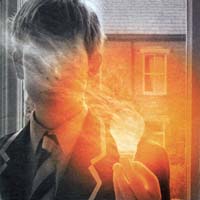 2000Lightbulb Sun
 1999Stupid Dream
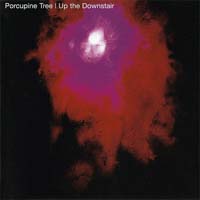 1993Up the Downstair