

Shocking Blue: the story Shocking Blue wants to tell
Shocking Blue- Album Overview
The self-titled debut album by the Dutch rock band Shocking Blue was released in 1969, marking the beginning of their significant contribution to the music scene of the late 1960s and early 1970s. The album was produced by the band's guitarist, Robbie van Leeuwen, and released under the Polydor Records label. Featuring a blend of rock, pop, and psychedelic influences, the album's sound is characterized by catchy melodies, soaring vocals, and a unique mix of Western rock with Eastern musical influences. In particular, the lead single "Venus," which would later become a massive international hit, showcases the band's ability to fuse catchy hooks with a slightly psychedelic flair. The recording of the album took place in the Netherlands, where the band honed their sound, drawing inspiration from the burgeoning counterculture movement. Collaborators included the band's original lineup: Mariska Veres (vocals), Robbie van Leeuwen (guitar, backing vocals), Klaasje van der Wal (bass), and Cornelis van der Linden (drums). The album also features the standout track "Love Buzz," which would later gain fame through Nirvana's cover in the early '90s. Shocking Blue's music often tackled themes of love, desire, and existential angst, resonating with the youth of the era. The cultural significance of the album cannot be overstated, as it helped pave the way for future bands from the Netherlands and contributed to the global popularity of rock music.
Review
Shocking Blue's self-titled album is a vibrant representation of the late '60s rock scene, offering a unique blend of catchy melodies and thoughtful lyrics. The standout track, "Venus," not only highlights Mariska Veres's powerful vocals but also showcases the band's ability to create infectious hooks that linger long after the song ends. The production is crisp and polished, allowing the individual instruments to shine while maintaining a cohesive sound. Lyrically, the album explores themes of love and desire, often with a slightly surreal twist, reflecting the psychedelic influences of the time. The band's artistic vision is evident in their ability to craft songs that are both commercially appealing and artistically ambitious. However, while the album excels in many areas, some tracks may feel slightly formulaic compared to the standout singles, lacking the same level of innovation. Overall, the album serves as a crucial piece in the puzzle of Shocking Blue's legacy, establishing them as pioneers in the rock genre.
Highlights
- Catchy and memorable hooks that define the album's best tracks.
- Powerful vocal performance by Mariska Veres, particularly in "Venus."
- Innovative blend of musical styles, incorporating rock and psychedelic elements.
Weak points
- Some tracks feel less inspired compared to the standout singles.
- The production, while polished, might lack the raw energy found in live performances.
- Limited lyrical depth in certain songs compared to more ambitious rock contemporaries.
Overall evaluation
Shocking Blue's debut album is a compelling introduction to a band that would leave a lasting mark on the rock genre. Its infectious melodies and the charismatic vocal performance of Mariska Veres create an enduring listening experience. While not every track reaches the heights of the singles, the overall package is undeniably engaging and significant for its time.
Personal rating: 8/10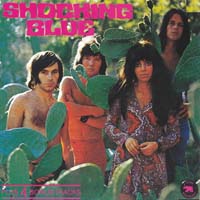 1990Scorpio's Dance