ALBUM NOTESSheet One: what Plastikman wants you to feel
Sheet One- Album Overview
Plastikman's debut album, "Sheet One," was released in 1993 under the influential label Plus 8 Records, co-founded by Richie Hawtin, who is also the mastermind behind the Plastikman alias. This groundbreaking album emerged from the burgeoning Detroit techno scene and quickly became a cornerstone of minimal techno. The recording sessions took place in Hawtin's studio, where he meticulously crafted the album's distinctive sound using a combination of vintage synthesizers, drum machines, and sequencers. "Sheet One" features a series of tracks that are largely instrumental, emphasizing the immersive quality of the music rather than traditional song structures or lyrics. Notable tracks include "Spastik," a relentless, percussive piece that has become an anthem of the genre, and "Plasticine," which showcases the album's atmospheric depth.
The album was significant not only for its sonic innovation but also for its role in shaping the future of electronic music, influencing countless artists and subgenres. It reflects the cultural tensions of the early '90s, where technology was rapidly evolving, and the underground dance culture was gaining momentum. "Sheet One" was not released as a traditional single format but rather embraced the DJ mix culture, allowing tracks to flow seamlessly into one another, creating an immersive experience. This release established Plastikman as a pioneer in the techno genre and set the stage for subsequent works that continued to push boundaries in electronic music.
Review
"Sheet One" is a stunning exploration of sound and space, showcasing Plastikman's artistic vision of minimalism. The album's tracks are characterized by their intricate layering of percussive elements and hypnotic basslines, designed to engulf the listener in a rhythmic journey. The absence of lyrics allows for an emotional interpretation of the music, inviting listeners to project their feelings onto the soundscapes. This approach aligns with Hawtin's vision of creating a universal language through music, transcending cultural barriers.
The production quality is exceptional, with each track meticulously crafted to evoke a range of emotions, from tension to release. The use of repetition and subtle variations keeps the listener engaged, creating a trance-like state that is quintessential to the techno experience. Hawtin's ability to manipulate sounds and rhythms makes "Sheet One" a landmark release, establishing a template for minimal techno that many artists would follow. Overall, the album is not just a collection of tracks but a cohesive statement that demands attention and introspection.
Highlights
- Groundbreaking production techniques that defined minimal techno.
- Immersive soundscapes that invite emotional interpretation.
- Cohesive track flow that enhances the listening experience.
Weak points
- Lack of traditional song structures may alienate casual listeners.
- Some tracks may feel repetitive or lengthy to those unfamiliar with the genre.
- Absence of vocals could limit appeal to broader audiences.
Overall evaluation
"Sheet One" is a seminal work that transformed the landscape of electronic music, showcasing Plastikman's innovative spirit and commitment to pushing boundaries. It's a must-listen for anyone interested in the evolution of techno.
Personal rating: 9/10

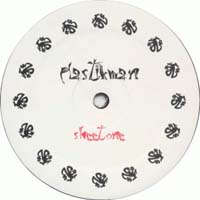
 2022Consumed In Key
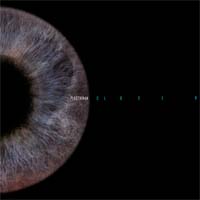 2003Closer
 1998Consumed
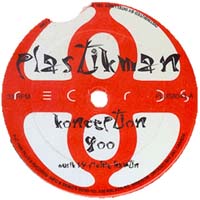 1994Musik