ALBUM NOTESUnpacking Black Sabbath-Seventh Star's Seventh Star
Album overview
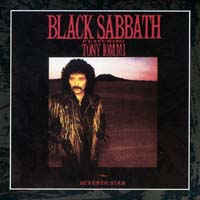
Black Sabbath's "Seventh Star," released on January 28, 1986, marks a significant entry in the band's discography, representing a transitional phase in their sound and lineup. The album was produced by the renowned producer, Jeff Glixman, and released under the label Vertigo Records. This was the first album to feature vocalist Glenn Hughes, who brought a different dynamic to the band's music following the departure of Ronnie James Dio. "Seventh Star" is often categorized as heavy metal, but it incorporates elements of hard rock and blues, showcasing a diverse sonic palette.
The album consists of eight tracks, including standout singles like "No Stranger to Love," which achieved moderate commercial success and received airplay on rock radio stations. The recording sessions took place at the Village Recorders in Los Angeles, where the band experimented with new sounds and arrangements. Notable contributors include keyboardist Don Airey, who added depth to the album's arrangements, and bassist Geezer Butler, who played a significant role in songwriting.
Culturally, "Seventh Star" reflects the evolving landscape of heavy metal in the 1980s, where bands began to explore more melodic structures and polished production. Despite mixed reviews upon release, the album has gained a retrospective appreciation for its willingness to push boundaries and explore new musical directions within the genre.
Review
"Seventh Star" finds Black Sabbath navigating a turbulent era in their career, balancing the classic heavy metal sound with a more commercial rock approach, which is evident in tracks like "No Stranger to Love." The production is slick, perhaps too polished for some die-hard fans, but it allows the intricate guitar work of Tony Iommi to shine through. Lyrically, the album explores themes of love, loss, and self-discovery, with Hughes's soulful voice adding an emotional layer that was somewhat absent in previous iterations of the band.
While the album has its share of strong moments, it occasionally falters in its attempts to blend the heavy riffs with more melodic hooks. Some fans may find the direction a departure from the band's roots, but for others, it offers a refreshing take on the Black Sabbath legacy. Overall, "Seventh Star" is a testament to the band's resilience and ability to adapt, even in the face of criticism and change.
Highlights
- Powerful vocal performance by Glenn Hughes, showcasing his range and emotional depth.
- Intricate guitar work from Tony Iommi, maintaining the signature Sabbath sound.
- Memorable tracks that blend heavy metal with melodic rock elements.
Weak points
- Some tracks feel overproduced, losing the raw energy typical of earlier Black Sabbath albums.
- The departure from traditional heavy metal may alienate long-time fans of the band.
- Inconsistent songwriting quality across the album, with a few tracks feeling less impactful.
Overall evaluation
"Seventh Star" is a bold experiment that showcases Black Sabbath's ability to evolve. While it may not satisfy every fan, it offers a glimpse into a transitional period for the legendary band.
Personal rating: 7/10
```

 201313
 1996Best Ballads
 1995Forbidden
 1994Cross Purposes
 1992Dehumanizer
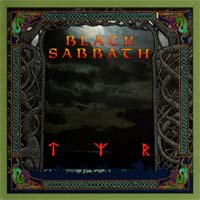 1990Tyr
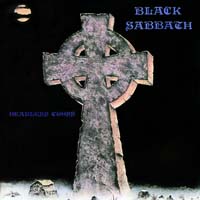 1989Headless Cross
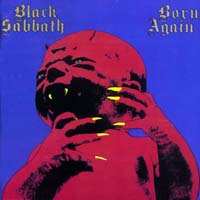 1983Born Again
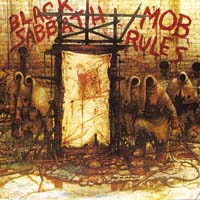 1981Mob Rules
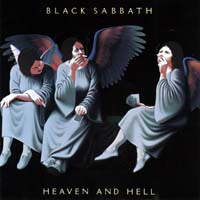 1980Heaven and Hell
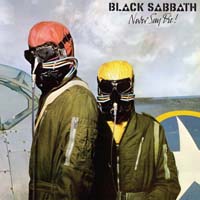 1978Never Say Die!
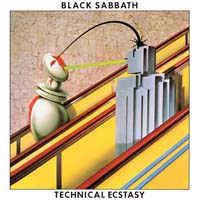 1976Technical Ecstasy
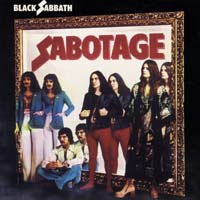 1975Sabotage
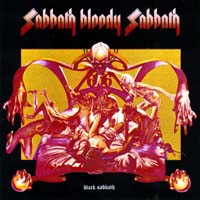 1973Sabbath Bloody Sabbath
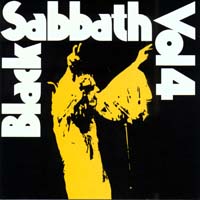 1972Vol 4
 1971Master of Reality
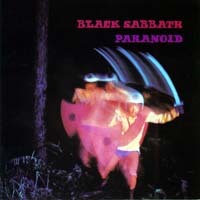 1970Paranoid
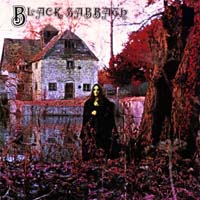 1970Black Sabbath