
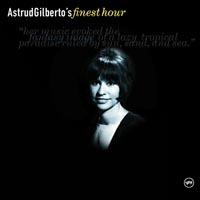
Astrud Gilberto experiments boldly on September 17, 1969
September 17, 1969- Album Overview
Astrud Gilberto's album "September 17, 1969," released on the Verve Records label, marked a significant moment in the evolution of bossa nova and jazz fusion. This album came at a time when Gilberto was already well-known for her groundbreaking work in the bossa nova genre, especially following her iconic collaboration on "The Girl from Ipanema" with Stan Getz. The album showcases a mix of jazz, bossa nova, and pop, reflecting the cultural shifts of the late 1960s. It was produced by Creed Taylor, a notable figure in the jazz world who was known for his lush arrangements and innovative production techniques. The album features a diverse set of tracks, including "Berimbau," "Canto de Ossanha," and "Zumbi," which exhibit Gilberto’s ability to blend traditional Brazilian music with contemporary jazz elements. Collaborators on this project included prominent musicians such as João Gilberto, her then-husband, and renowned composer and arranger, Eumir Deodato. The album also includes the single "Up, Up and Away," which highlights Gilberto's interpretative skills and her unique vocal style. "September 17, 1969" is significant culturally as it encapsulates the spirit of its time, reflecting both the complexities of Brazilian music and the broader influences of the American jazz scene. Gilberto's experimental approach in this album paved the way for future generations of musicians to explore the boundaries of genre and sound.
Review
The sound of "September 17, 1969," is a rich tapestry of rhythm and melody, capturing Astrud Gilberto's ethereal voice against lush instrumental backdrops. Her soft, lilting vocals convey both a sense of nostalgia and an adventurous spirit, perfectly embodying the artistic exploration of the era. The album's arrangements are meticulously crafted, allowing each instrument to shine while still placing Gilberto's voice at the forefront. Lyrically, the tracks often explore themes of love, longing, and cultural identity, showcasing Gilberto's ability to connect emotionally with her audience. Songs like "Berimbau" resonate with both joy and melancholy, reflecting the duality of life in Brazil during the late 1960s. The artistic vision behind the album is clear; it strives not just to entertain, but also to provoke thought and emotion, moving beyond mere musical performance to create an immersive experience.
Highlights
- Astrud Gilberto's enchanting vocal delivery that transports the listener.
- Rich and innovative arrangements that blend bossa nova with jazz influences.
- The cultural significance of the album in bridging Brazilian music with a global audience.
Weak points
- Some tracks may feel less impactful compared to her more iconic earlier work.
- The experimental nature may not appeal to purists of traditional bossa nova.
- Limited commercial success compared to previous releases, possibly overshadowing its artistic merit.
Overall evaluation
"September 17, 1969" stands as a bold statement in Astrud Gilberto's discography, reflecting her willingness to experiment and push boundaries. While it may not achieve the same level of acclaim as her earlier works, it remains a crucial piece in understanding the evolution of Brazilian music and its intersection with jazz. The album invites listeners on a journey through sound and emotion, solidifying Gilberto's place as a pioneering artist in the music world.
Personal rating: 8/10 1998The Girl From Ipanema