
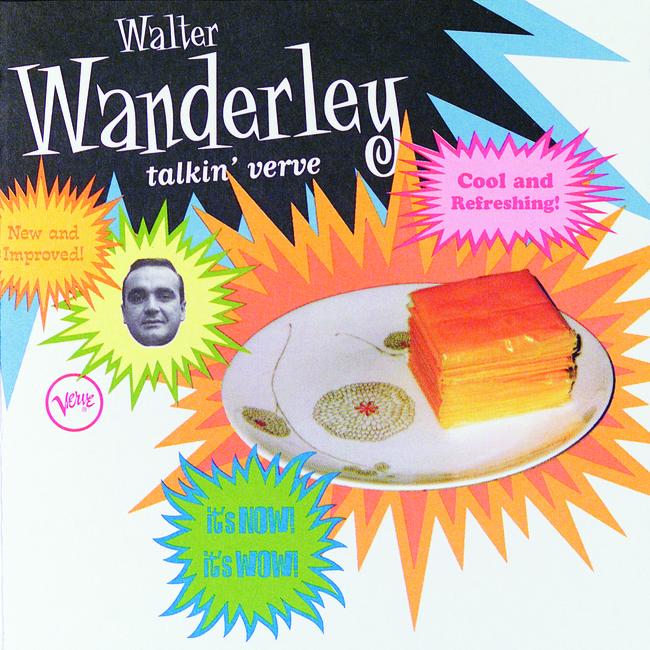
Inside Samba é Samba Com Walter Wanderley by Walter Wanderley
Samba é Samba Com Walter Wanderley- Album Overview
"Samba é Samba Com Walter Wanderley," released in 1964, is a vibrant expression of Brazilian bossa nova and samba, featuring the distinct sound of the talented organist Walter Wanderley. Known for his skillful blend of jazz and samba, Wanderley collaborated with a group of talented musicians, including the renowned guitarist Roberto Menescal and percussionist Dom Um Romão, to create an album that captures the essence of Brazilian music during this era. The album was released under the Verve Records label, which played a crucial role in popularizing bossa nova in the United States and beyond.
The recording sessions took place in Rio de Janeiro, where Wanderley's unique approach to the Hammond organ brought a fresh perspective to traditional samba rhythms. The album features a selection of original compositions and well-known bossa nova standards, showcasing Wanderley's ability to reinterpret classic melodies with a modern twist. Notable tracks include "Samba de Verão" and "Aquarela do Brasil," which highlight his signature sound and intricate arrangements.
This album became significant not only for its musical innovation but also for its cultural impact, as it contributed to the bossa nova movement's international recognition during the 1960s. The album helped bridge the gap between Brazilian music and American jazz, leading to a greater appreciation of Latin rhythms in mainstream culture. "Samba é Samba Com Walter Wanderley" remains a timeless classic, celebrated for its joyful spirit and rhythmic complexity.
Review
The sound of "Samba é Samba Com Walter Wanderley" is an invigorating mix of traditional samba and jazz influences, driven primarily by Wanderley's virtuosic organ playing. His fluidity on the Hammond organ creates a lush soundscape that invites listeners into a world of rhythm and melody. The arrangements are bright and intricate, often featuring syncopated rhythms that are a hallmark of samba. The interplay between the musicians is palpable, with each contributing to the album's vibrant tapestry.
Lyrically, many tracks evoke themes of love, nature, and life in Brazil, encapsulating the cultural essence of the time. However, the lyrics are often secondary to the music itself, which takes center stage. Wanderley's artistic vision is clear; he aims not only to showcase his musicianship but also to celebrate the joy and rhythm inherent in samba. The album feels like a joyous celebration, making it a perfect soundtrack for summer gatherings or leisurely afternoons.
Highlights
- Wanderley's exceptional organ playing adds a unique texture to traditional samba.
- The album features memorable arrangements that highlight the interplay between instruments.
- Tracks like "Samba de Verão" are iconic representations of the bossa nova genre.
Weak points
- Some tracks may feel repetitive to listeners unfamiliar with samba structures.
- The focus on instrumentals can overshadow lyrical depth.
- Limited appeal outside of bossa nova enthusiasts may restrict broader recognition.
Overall evaluation
"Samba é Samba Com Walter Wanderley" is a delightful celebration of Brazilian music that showcases Walter Wanderley's trademark sound and artistic prowess. While it may cater primarily to fans of bossa nova and samba, its infectious rhythms and vibrant melodies make it a compelling listen for anyone interested in the genre.
Personal rating: 8/10 1968When It Was Done
 1966Rain Forest
 0Batucada