
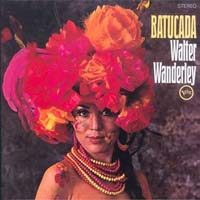
Walter Wanderley – Batucada: track-by-track perspective
Batucada- Album Overview
"Batucada," released in 1966, is a seminal album by Brazilian organist and composer Walter Wanderley. Known for his innovative fusion of bossa nova and samba rhythms, Wanderley became a significant figure in the Latin music scene during the 1960s. The album was released under the Verve Records label, a prominent platform for jazz and world music at the time, which helped to popularize Brazilian sounds in the United States and beyond. The recording sessions took place in Rio de Janeiro, where Wanderley collaborated with talented musicians, further enriching the album's vibrant soundscape. Notable tracks include "Batucada," which serves as a title track and showcases Wanderley's signature organ style, and "Samba de Verão," which became a hit single. The album features a mix of instrumental pieces and interpretations of popular Brazilian songs, reflecting the cultural significance of the bossa nova movement that was sweeping through Brazil and resonating globally. Wanderley’s approach to the organ, characterized by its bright, rhythmic tones, was groundbreaking and has influenced many musicians in the years since. "Batucada" stands out as a crucial piece of work that not only defines Wanderley’s artistic vision but also represents the vibrant musical landscape of Brazil in the 1960s.
Review
Musically, "Batucada" is a joyous celebration of rhythm and melody, with Wanderley’s organ taking center stage. The album features rich, layered arrangements that blend traditional Brazilian sounds with the upbeat vibes of jazz. Wanderley's artistic vision shines through his ability to create infectious grooves that invite listeners to dance. The production is notably polished, highlighting the intricate interplay between the organ, percussion, and other instruments, which together create a vibrant sound palette. Lyrically, the album is primarily instrumental, yet it speaks volumes through its rhythmic and melodic structures, evoking the essence of Brazilian culture. The overall vibe is uplifting, making it a perfect soundtrack for both relaxed gatherings and festive parties. Wanderley's ability to adapt and reinterpret Brazilian musical forms resonates throughout the album, cementing his legacy as a pioneer of bossa nova and samba.
Highlights
- Innovative fusion of bossa nova and samba rhythms.
- Vibrant instrumental arrangements that showcase Wanderley's organ skills.
- Cultural significance as a representation of 1960s Brazilian music.
Weak points
- Lack of vocal tracks may not appeal to all listeners.
- Some instrumental pieces may feel repetitive to those unfamiliar with the genre.
- Limited mainstream recognition outside of niche Latin music circles.
Overall evaluation
"Batucada" is a testament to Walter Wanderley's talent and the vibrant Brazilian music scene of the 1960s. It encapsulates the joy of bossa nova and samba while pushing the boundaries of organ music. While it may not cater to every listener's taste, its significance in the genre is undeniable.
Personal rating: 8/10 2021Saudades Da Bahia
 1968When It Was Done
 1966Rain Forest