

How Kenny Rogers shaped the sound of Ruby, Don't Take Your Love to Town
Ruby, Don't Take Your Love to Town- Album Overview
"Ruby, Don't Take Your Love to Town" is a seminal album by American country music artist Kenny Rogers, released in 1969 under the Reprise Records label. The title track, a poignant ballad penned by Mel Tillis, stands out as one of Rogers' most iconic songs. The album was produced at a time when Rogers was transitioning from his early work with The First Edition to a solo career, marking a significant shift in his artistic direction. With its blend of country, pop, and rock influences, this album helped shape the sound that would come to define Rogers’ career.
The recording took place in a period when Nashville was beginning to embrace more diverse musical styles, and Rogers’ smooth vocals paired with the orchestral arrangements on tracks like "Ruby" helped bridge the gap between traditional country and the mainstream pop sound. Alongside Tillis, other collaborators included notable musicians and songwriters who contributed to the album’s rich texture. Released as a single, "Ruby, Don't Take Your Love to Town" became a chart-topping hit, peaking at number 6 on the Billboard Hot 100 and number 2 on the Hot Country Songs chart.
The album's blend of heartfelt storytelling and melodic hooks resonated with a wide audience, solidifying Rogers’ status as a leading figure in the country music scene. Its cultural significance is underscored by its exploration of themes such as love, loss, and regret, which continue to resonate with listeners today. The success of this album laid the groundwork for subsequent hits and established Kenny Rogers as a household name in American music.
Review
The sound of "Ruby, Don't Take Your Love to Town" is characterized by its lush arrangements and emotional depth. Rogers’ vocals are both powerful and tender, conveying a sense of vulnerability that draws listeners into the narrative of the songs. The title track, in particular, is a masterclass in storytelling, with lyrics that capture the pain of unrequited love and the complexities of relationships. The instrumentation blends traditional country elements with orchestral backing, creating a sound that feels both contemporary and timeless.
Lyrically, the album delves into themes of heartbreak and longing, showcasing Rogers' ability to connect with the human experience. Each track is carefully crafted, with melodies that linger long after the music stops. The artistic vision behind this album is clear; Rogers aimed to reach beyond the confines of traditional country music, and he succeeded in creating a cross-genre appeal that would define his career. Overall, the album stands as a testament to Rogers' skill as both a vocalist and a storyteller, solidifying his place in music history.
Highlights
- Powerful and emotive vocal performance by Kenny Rogers.
- Rich orchestral arrangements that enhance the storytelling aspect of the songs.
- Iconic title track that resonates with listeners across generations.
Weak points
- Some tracks may feel dated to modern listeners.
- Occasional reliance on formulaic song structures typical of the era.
- Lack of variety in themes compared to later works by Rogers.
Overall evaluation
"Ruby, Don't Take Your Love to Town" is a landmark album that showcases Kenny Rogers at the height of his early career. It captures the essence of his artistic vision and his ability to connect with audiences through heartfelt lyrics and memorable melodies. The album remains a vital part of country music history and a must-listen for fans of the genre.
Personal rating: 8/10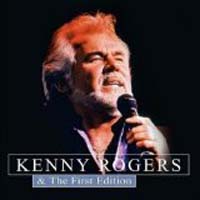 1967The First Edition