
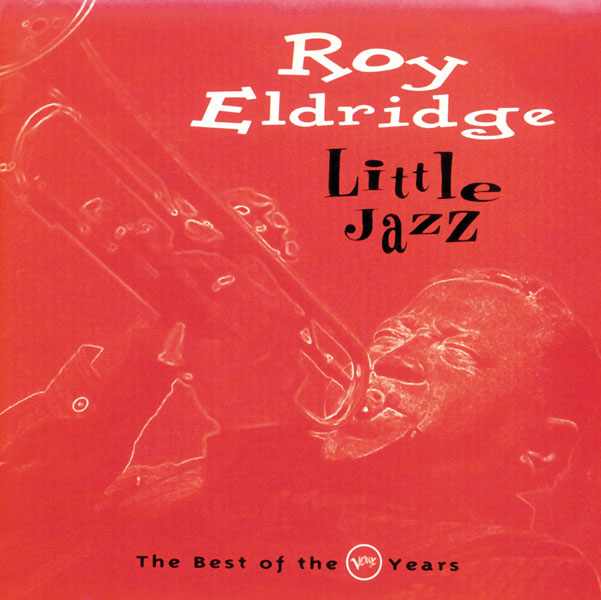
Roy Eldridge raises the bar with Roy Eldridge and His Little Jazz, Volume 2
Roy Eldridge and His Little Jazz, Volume 2- Album Overview
"Roy Eldridge and His Little Jazz, Volume 2," released in 1956, is a pivotal work in the evolution of jazz, showcasing the extraordinary talent of trumpeter Roy Eldridge. Known for his virtuosic style and innovative approach, Eldridge was a key figure in the swing and bebop movements. This album was produced under the Vanguard label, a significant player in jazz during the mid-20th century, and it features a collection of tracks that highlight Eldridge’s prowess and the dynamic interplay of his band members.
The recording sessions took place in New York City, capturing the vibrant energy of the jazz scene at the time. Collaborating with Eldridge on this album are notable musicians such as pianist Hank Jones, bassist Milt Hinton, and drummer Elvin Jones, among others, whose contributions help elevate the music to a new level. This volume builds upon the foundation laid in Volume 1, emphasizing Eldridge's signature style—a blend of technique and emotional depth. The album includes tracks like "What's New?" and "Little Jazz," which have become staples in jazz repertoires.
The cultural significance of this album cannot be overstated. It not only showcases Eldridge's technical skill but also reflects the broader transition in jazz from big band to smaller ensemble formats, allowing for greater improvisation and interaction among musicians. Eldridge's ability to bridge these styles marks him as a pivotal figure in jazz history, influencing countless musicians in the years to come.
Review
The sound of "Roy Eldridge and His Little Jazz, Volume 2" is a masterclass in jazz artistry, characterized by Eldridge's powerful trumpet playing that combines flair with deep emotional expression. His improvisational skill shines brightly throughout the album, often taking unexpected turns that keep the listener engaged. The ensemble work is equally impressive, with each musician contributing to a cohesive yet dynamic sound that encapsulates the essence of jazz during this era.
Lyrically, the album is instrumental, relying on the emotive power of music to convey feelings and stories, allowing listeners to interpret the music in their own way. Eldridge's artistic vision is clear—he aims to push the boundaries of jazz while remaining rooted in its traditions. The interplay between Eldridge and his bandmates creates a sense of conversation through music, showcasing the collaborative spirit that is essential in jazz.
Highlights
- Eldridge's virtuosic trumpet solos that blend technical skill with emotional depth.
- The exceptional collaboration among the ensemble, highlighting each musician's strengths.
- The album's cultural significance as a representation of the transition in jazz styles during the 1950s.
Weak points
- The production quality, while reflective of its time, may sound dated to modern listeners.
- Some tracks may feel less cohesive compared to Eldridge's later works.
- Limited lyrical content may not appeal to listeners seeking vocal performances.
Overall evaluation
Overall, "Roy Eldridge and His Little Jazz, Volume 2" is a significant addition to the jazz canon, showcasing the brilliance of one of the genre's greats. It is a testament to Eldridge's impact on jazz music and remains a must-listen for both jazz aficionados and newcomers alike.
Personal rating: 8/10