
From intro to finale: what Rollin' Blues delivers
Rollin' Blues- Album Overview
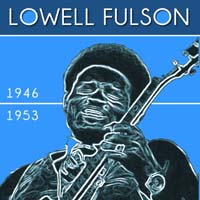
"Rollin' Blues," released in 1961, is a seminal album by acclaimed blues musician Lowell Fulson. Known for his expressive guitar work and soulful vocals, Fulson played a pivotal role in the development of West Coast blues. The album was released under the prestigious label, Pacific Jazz Records, marking a significant period in Fulson's career. The recording sessions took place in Los Angeles, where Fulson collaborated with a talented ensemble of musicians, including prominent figures like saxophonist Ben Webster and drummer Earl Palmer, both of whom contributed to the rich, textured sound that characterizes this album.
"Rollin' Blues" features a collection of tracks that showcase Fulson's mastery of the blues genre. Notable songs include "Reconsider Baby," which has become a classic, and "Blue Shadows," both of which highlight his lyrical depth and emotional resonance. The album's production captures the essence of the 1960s blues scene, merging traditional elements with a distinct West Coast flair. The release of this album was significant not only for Fulson's career but also for the broader blues movement, showcasing the genre's evolution during a time when it was gaining wider recognition in mainstream music.
Fulson's work on "Rollin' Blues" has influenced a generation of musicians, and his ability to convey personal struggle and triumph through his music resonates deeply with listeners. The album is often hailed for its authenticity, reflecting the cultural and social realities of the time. As such, "Rollin' Blues" remains a vital piece of blues history, representing both Fulson's artistic vision and the musical landscape of the early 1960s.
Review
The sound of "Rollin' Blues" is a rich tapestry of soulful melodies and rhythmic grooves, characterized by Fulson's signature guitar riffs and heartfelt vocals. The production quality is pristine, allowing each instrument to shine while maintaining a cohesive blend that is both inviting and engaging. Lyrically, Fulson explores themes of love, loss, and resilience, delivering his messages with a poignant authenticity that resonates with listeners. His voice, often described as smooth and emotive, carries a weight that enhances the emotional impact of each track.
Artistically, Fulson's vision for "Rollin' Blues" reflects his deep roots in the blues tradition while also embracing the evolving sound of the genre during the 1960s. The interplay between his guitar and the accompanying musicians creates an immersive experience, drawing the listener into the narratives woven throughout the album. This work stands as a testament to Fulson's ability to bridge the gap between traditional and contemporary blues, making it a landmark release in his discography.
Highlights
- Exceptional guitar work that showcases Fulson's technical proficiency.
- Emotionally resonant lyrics that reflect personal and cultural struggles.
- A cohesive blend of traditional blues elements with contemporary influences.
Weak points
- Some tracks may feel repetitive in structure to certain listeners.
- Limited commercial appeal outside of blues enthusiasts.
- Not all songs achieve the same emotional impact as the standout tracks.
Overall evaluation
"Rollin' Blues" is a masterful representation of Lowell Fulson's contributions to the blues genre, encapsulating both his musical skill and emotional depth. While it may not appeal to all mainstream audiences, its significance in blues history cannot be overstated.
Personal rating: 8/10