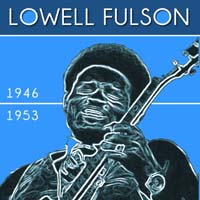
ALBUM NOTESLowell Fulson: discovering Lowell Fulson's artistry
Lowell Fulson- Album Overview
Lowell Fulson's self-titled album, released in 1962, stands as a testament to the artist's profound influence on the blues genre. Recorded for the esteemed Checker Records label, a subsidiary of Chess Records, the album captures Fulson's signature style, blending elements of West Coast blues with a deep, soulful resonance. Known for his emotive guitar playing and rich vocal timbre, Fulson collaborated with various session musicians, which added depth and texture to the recordings.
This album features tracks that showcase his narrative songwriting and musicianship, including standout songs like "Tramp," which later became a hit for Otis Redding and Carla Thomas. The album's production, overseen by experienced producers in the blues scene, emphasizes the raw, live feel of Fulson's performances, allowing his artistry to shine through. The release of "Lowell Fulson" came at a pivotal time in the 1960s, during the blues revival, which helped to bridge the gap between traditional blues and the emerging rock scene.
Fulson's music not only speaks to the experiences of African Americans in the post-war era but also reflects broader cultural movements of the time, making this album an essential listen for anyone interested in the evolution of American music. The singles released from this album contributed to Fulson's growing reputation and solidified his place in the annals of blues history.
Review
Lowell Fulson's album is a rich tapestry of sound, blending traditional blues with the more laid-back style characteristic of West Coast blues. The album opens with a confident stride, showcasing Fulson's ability to draw listeners into his world with each note. His guitar work is both technical and emotive, weaving through the tracks with a fluidity that captivates. Lyrically, Fulson explores themes of love, heartache, and resilience, often drawing on personal experiences that resonate with a wide audience.
The production quality of the album complements Fulson's artistry, with an emphasis on organic sound that allows his voice and guitar to take center stage. The arrangements are well-crafted, with subtle backing instrumentation that enhances rather than detracts from Fulson's performances. His artistic vision is clear throughout, as he combines storytelling with musicality in a way that feels both timeless and relevant.
Overall, the album serves as a perfect introduction to Lowell Fulson's artistry, offering a glimpse into the soul of a musician who played a crucial role in shaping the sound of blues music.
Highlights
- Emotive guitar work that captivates and engages the listener.
- Strong lyrical content that resonates with personal and cultural themes.
- Production quality that preserves the raw, authentic feel of live performances.
Weak points
- Some tracks may feel repetitive to listeners unfamiliar with blues conventions.
- Production may lack the polished sound of more contemporary albums.
- Limited commercial appeal outside of blues enthusiasts during its release.
Overall evaluation
Lowell Fulson's self-titled album is an essential piece of blues history that showcases the artist's ability to blend heartfelt storytelling with masterful musicianship. It serves as a significant contribution to the genre and offers a rich listening experience for both new and seasoned blues fans.
Personal rating: 8/10