
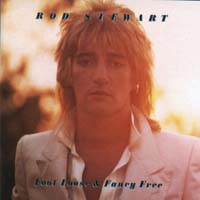
One week with Rod Stewart: thoughts on Rod Stewart
Rod Stewart- Album Overview
Rod Stewart's self-titled debut album, released in 1969, marked a significant moment in rock history, establishing him as a formidable solo artist after his tenure with bands like The Jeff Beck Group and Faces. Released under the Mercury Records label, this album was a product of a vibrant musical landscape, blending rock, folk, and blues influences that were prevalent during the late 1960s. The recording sessions took place in London, where Stewart collaborated with some of the era's most talented musicians, including guitarist Martin Quittenton and keyboardist Ian McLagan.
The album features a mix of original songs and covers, showcasing Stewart's distinctive raspy voice and emotive delivery. It includes tracks like "Maggie May," which became an iconic single and remains one of his most recognized songs. Other notable tracks include "Reason to Believe," which also garnered significant airplay and critical acclaim. The album's production was handled by the renowned producer Lou Reizner, who played a crucial role in shaping its sound, blending rock with folk elements seamlessly.
Upon its release, the album received positive reviews and quickly climbed the charts, solidifying Stewart's status as a leading figure in the music industry. Its cultural significance lies in its ability to capture the essence of the era while also paving the way for Stewart's future successes. The album's blend of heartfelt lyrics and soulful melodies resonated with audiences, making it a timeless classic in Stewart's extensive discography.
Review
Rod Stewart's self-titled debut is a compelling introduction to an artist who would go on to define a generation of rock music. The album showcases his unique vocal style, characterized by a raw, emotive quality that draws listeners in. The arrangements are rich yet understated, allowing Stewart's voice to take center stage. Notably, the production balances acoustic and electric elements, creating a warm, inviting sound that feels both personal and expansive.
Lyrically, the album explores themes of love, loss, and longing, with Stewart's storytelling ability shining through in tracks like "Maggie May." The juxtaposition of upbeat melodies with poignant lyrics creates a dynamic listening experience that keeps the audience engaged. Stewart's artistic vision is evident in his choice of material, as he effortlessly blends traditional rock with folk influences, establishing a sound that would become his signature.
Overall, the album is a testament to Stewart's talent and versatility, proving that he was more than just a rock star; he was a genuine artist capable of conveying deep emotions through his music.
Highlights
- Iconic single "Maggie May" showcases Stewart's signature raspy vocals and heartfelt lyrics.
- Seamless blend of rock, folk, and blues creates a rich sonic landscape.
- Strong lyrical storytelling throughout, capturing universal themes of love and loss.
Weak points
- Some tracks may feel overshadowed by the standout singles.
- The production, while warm, may lack the polish found in later works.
- Not all songs match the emotional depth of the album's highlights.
Overall evaluation
Rod Stewart's debut album is a significant work that laid the foundation for his illustrious career. It captures a pivotal moment in music history and showcases his distinctive voice and songwriting talent. While it may not be flawless, its highlights more than compensate for any shortcomings. Personal rating: 8/10
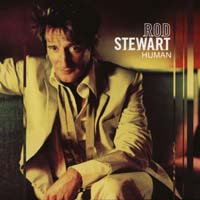 2001Human
 1998When We Were the New Boys
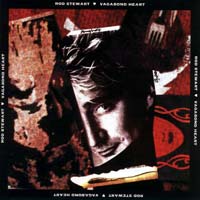 1991Vagabond Heart
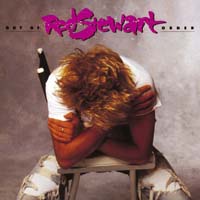 1988Out of Order
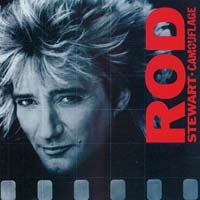 1984Camouflage
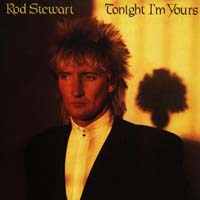 1981Tonight I'm Yours
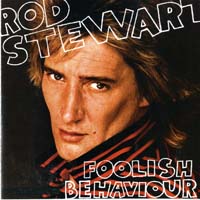 1980Foolish Behaviour
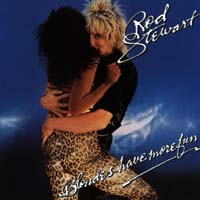 1978Blondes Have More Fun
 1976A Night on the Town
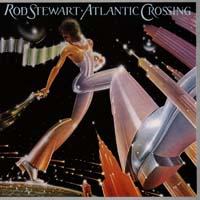 1975Atlantic Crossing
 1972Never a Dull Moment
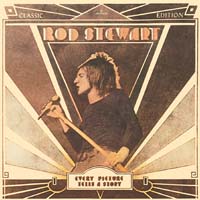 1971Every Picture Tells a Story
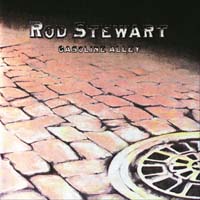 1970Gasoline Alley
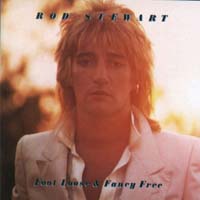 0Foot Loose