

Rocket Number Nine Take Off for the Planet Venus: exploring the world of Sun Ra
Rocket Number Nine Take Off for the Planet Venus- Album Overview
Released in 1966, "Rocket Number Nine Take Off for the Planet Venus" is one of the seminal works of avant-garde jazz composer and bandleader Sun Ra. The album was released under the El Saturn label, a label founded by Sun Ra himself, which was known for its eclectic and experimental catalog. This particular album is a prime example of Sun Ra's cosmic philosophy and his belief in the transformative power of music. The recording sessions took place in Chicago, featuring key collaborators from his Arkestra, including notable musicians such as John Gilmore on saxophone, Marshall Allen on alto saxophone, and the ever-inventive percussionist, Ra’s own crew of cosmic explorers. The title track, "Rocket Number Nine," encapsulates Sun Ra's fascination with space travel and the metaphysical journey beyond Earth. The album's sound is characterized by a blend of free jazz improvisation, electronic experimentation, and traditional African rhythms, showcasing Sun Ra's innovative approach to composition and performance. Thematically, the album delves into the concepts of unity and transcendence, reflecting the social and cultural upheavals of the 1960s, including the Civil Rights Movement. Its influence can be seen in later genres, such as electronic music and progressive rock, as well as in the works of contemporary artists who draw inspiration from Sun Ra's vision of music as a means of exploring the cosmos.
Review
"Rocket Number Nine Take Off for the Planet Venus" is a stunning exploration of sound that captures the essence of Sun Ra's avant-garde ethos. The album opens with the pulsating energy of the title track, where the interplay between the instruments creates a sense of propulsion, as if the listener is indeed taking off into outer space. The rich textures of the ensemble provide a backdrop for free-form improvisations that challenge conventional jazz structures. Lyrically, the album often eschews traditional song forms, opting instead for a more abstract and cosmic approach to expression. This mirrors Sun Ra's artistic vision, which sought to expand the boundaries of music and its connection to the universe. The album's unique soundscapes, characterized by the use of unconventional instruments and electronic effects, create a sense of otherworldliness, a hallmark of Sun Ra's work. The performances are daring, with musicians pushing the limits of their instruments, resulting in a captivating journey through sound that feels both chaotic and harmonious. In essence, the album is not just a collection of tracks, but a cohesive experience that invites listeners to transcend the ordinary and embark on an auditory adventure toward the unknown.
Highlights
- Innovative blend of free jazz and electronic experimentation.
- Powerful themes of unity and transcendence reflective of the 1960s.
- Exceptional musicianship from the Arkestra, showcasing individual talents.
Weak points
- Experimental nature may not appeal to all jazz listeners.
- Some tracks may feel disjointed or overly abstract.
- Lack of conventional song structures can be challenging for mainstream audiences.
Overall evaluation
"Rocket Number Nine Take Off for the Planet Venus" stands as a landmark album in the avant-garde jazz genre, showcasing Sun Ra's revolutionary spirit and cosmic vision. It is an essential listen for those seeking to understand the depths of musical innovation and the cultural significance of jazz in the 20th century.
Personal rating: 9/10 1978Lanquidity
 1973Space Is the Place
 1970Nothing Is...
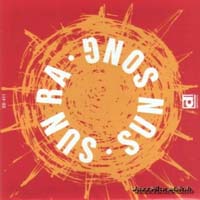 1957Sun Song