
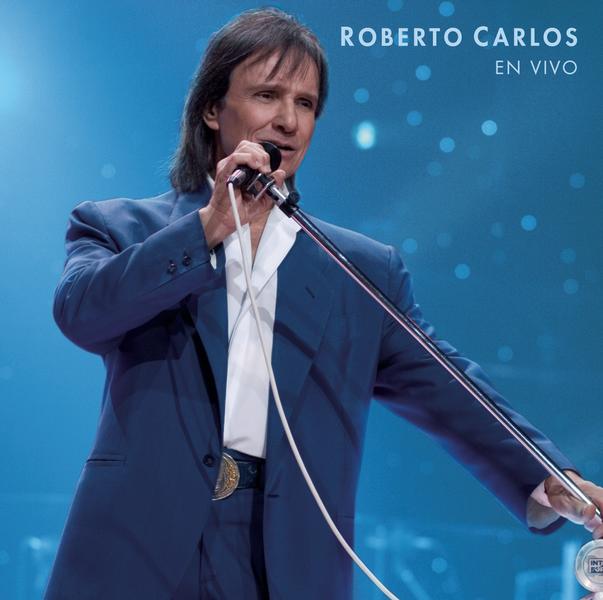
Roberto Carlos experiments boldly on Roberto Carlos canta para a juventude
Roberto Carlos canta para a juventude- Album Overview
"Roberto Carlos canta para a juventude," released in 1970, is a pivotal album in the discography of Brazilian singer-songwriter Roberto Carlos, known for his significant contributions to the genres of MPB (Música Popular Brasileira) and bossa nova. This album was released under the RCA Victor label and showcases Carlos's evolution as an artist during a time of cultural change in Brazil. The recording took place amidst a burgeoning youth culture that sought to express itself through music, art, and fashion, making the album resonate deeply with its intended audience.
The album features a blend of romantic ballads and upbeat tracks that reflect the hopes and dreams of the youth of that era. Among the standout tracks are "Apenas um Rapaz Lobo," "Construção," and "O Caderno," which highlight Carlos's lyrical prowess and ability to capture the essence of youthful longing and introspection. Collaborating with talented musicians and songwriters, including his long-time partner Erasmo Carlos, this album marks a transition where Carlos begins to incorporate more diverse musical influences, exploring rock and pop elements that would later define his work.
As the 1970s approached, "Roberto Carlos canta para a juventude" not only served as a soundtrack for the youth but also played a significant role in shaping the Brazilian music scene. The album's themes of love, identity, and change resonated with listeners during a time when Brazil was undergoing significant political and social transformations. The singles released from this album enjoyed considerable success, further solidifying Roberto Carlos’s place as an icon in Brazilian music history.
Review
Roberto Carlos's "canta para a juventude" is a remarkable exploration of sound and emotion. The album's production is notable for its rich arrangements, which seamlessly blend traditional Brazilian rhythms with contemporary influences. Carlos's smooth vocals glide over the instrumentation, creating a soothing yet dynamic listening experience.
Lyrically, the album is a thoughtful commentary on youth and the complexities of love and growth. The songs manage to evoke both nostalgia and a sense of aspiration, making them relatable to listeners of all ages. Carlos's artistic vision in this album reflects a deep understanding of the youth culture of the time, embracing both the carefree spirit and the deeper emotional currents that define adolescence.
Highlights
- Innovative blend of MPB with rock and pop elements.
- Strong lyrical themes that resonate with youth and identity.
- Rich musical arrangements that enhance Carlos's vocal delivery.
Weak points
- Some tracks may feel dated to contemporary listeners.
- A few songs lack the emotional depth found in others.
- Limited experimentation in certain musical styles compared to later works.
Overall evaluation
Overall, "Roberto Carlos canta para a juventude" stands as a significant work in Roberto Carlos's career, showcasing his ability to adapt and innovate while remaining true to his roots. The album captures the spirit of its time and continues to resonate with audiences today.
Personal rating: 8/10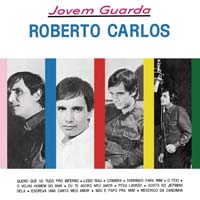 1965Jovem guarda
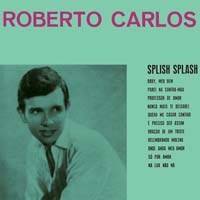 1963Splish Splash