

From intro to finale: what Road To Ruin delivers
Road To Ruin- Album Overview
"Road to Ruin" is the fifth studio album by the British singer-songwriter John Martyn, released in 1970. This album marked a notable evolution in Martyn's sound, showcasing a blend of folk, rock, and jazz elements. Recorded at the renowned Sound Techniques studio in London and released under the Island Records label, "Road to Ruin" featured a unique musical palette that exemplified Martyn's innovative approach to songwriting and performance. The album's production was overseen by the notable producer and engineer, John Wood, who had previously collaborated with Martyn on earlier projects.
The album includes standout tracks such as "Sometimes in the Morning" and "Solid Air," which further solidified Martyn's reputation as a poignant lyricist and skilled guitarist. Collaborating with fellow musicians like the talented jazz guitarist and friend, Danny Thompson, the album captures a rich and dynamic sound, with influences that ranged from blues to progressive rock. Martyn's distinctive vocal style and the intricate acoustic guitar work create an intimate atmosphere, inviting listeners into his deeply personal world.
"Road to Ruin" is often regarded as a significant work in Martyn's discography, reflecting the artistic experimentation characteristic of the early 1970s music scene. While not as commercially celebrated as some of his later releases, it laid the groundwork for his legacy, influencing countless artists in the folk and rock genres.
Review
The sound of "Road to Ruin" is a mesmerizing journey, seamlessly blending various genres while retaining Martyn's signature folk roots. The album opens with an ethereal quality, drawing listeners in through Martyn's haunting vocals and intricate guitar work. Lyrically, the songs explore themes of love, loss, and introspection, showcasing a maturity in songwriting that resonates deeply. Martyn's ability to convey raw emotion through his music is evident throughout the album, particularly in tracks like "Sometimes in the Morning," where his soulful delivery captivates the audience.
Artistically, Martyn's vision shines through as he experiments with different sounds and instrumentation, creating a textured listening experience. The inclusion of jazz elements adds depth and sophistication, while his acoustic prowess remains at the forefront. The album's production, characterized by its clarity and warmth, emphasizes the intimacy of Martyn's performance, making it an essential listen for fans of singer-songwriters and those exploring the evolution of folk music in the 1970s.
Highlights
- Martyn's unique blend of folk, rock, and jazz influences creates a rich musical landscape.
- The lyrical depth and emotional resonance of tracks like "Sometimes in the Morning."
- Innovative production techniques that enhance the listening experience.
Weak points
- Some listeners may find the album's slower tempo less engaging.
- A few tracks may feel less polished compared to Martyn's later works.
- Limited commercial appeal at the time of release may have overshadowed its significance.
Overall evaluation
"Road to Ruin" stands as a testament to John Martyn's artistic vision and musical innovation. While it may not have achieved the commercial success of his later albums, its influence and emotional depth have left an indelible mark on the landscape of folk and rock music.
Personal rating: 8/10 2008The Simmer Dim
 2000Glasgow Walker
 1991Cooltide
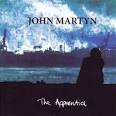 1990The Apprentice
 1986Piece By Piece
 1984Sapphire
 1982Well Kept Secret
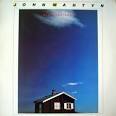 1981Glorious Fool
 1973Solid Air
 1971Bless The Weather