Richard P. Havens, 1983- Album Overview
Richie Havens's album "Richard P. Havens, 1983," released in 1971, is a profound reflection of the artist's unique blend of folk, rock, and blues. The album was produced by the renowned Bob Margouleff, known for his innovative work in the music industry, and released under the label Stormy Forest. Havens’s music is characterized by his powerful, raspy voice and intricate guitar work, both of which shine through on this album.
The recording took place during a period when Havens was solidifying his status as a major figure in the folk music scene, following his iconic performance at the Woodstock Festival in 1969. "Richard P. Havens, 1983" showcases Havens's ability to weave socially conscious themes with personal narratives, reflecting the cultural and political climate of the early 1970s.
The album features notable tracks such as "Here Comes the Sun," a heartfelt cover of The Beatles’ classic that adds Havens's distinct touch to the original. The album also includes "The Man Who Sang," which illustrates his knack for storytelling through music.
Despite being overshadowed by his earlier works, "Richard P. Havens, 1983" is significant for its introspective lyricism and rich instrumentation, which includes contributions from a variety of talented musicians. The album stands as a testament to Havens's artistry and his ability to resonate with the zeitgeist of his time, making it an essential listen for fans of folk and rock music alike.
Review
"Richard P. Havens, 1983" is an album that captures Richie Havens's artistic vision at a critical time in his career. The sound is a harmonious blend of folk, rock, and blues, delivered with an authenticity that is both refreshing and engaging. Havens’s signature guitar style, characterized by rhythmic strumming and intricate fingerpicking, complements his emotive vocal delivery, creating a captivating listening experience.
Lyrically, the album addresses themes of love, hope, and social consciousness, reflecting the turbulent socio-political landscape of the early 1970s. Tracks like “The Man Who Sang” highlight his storytelling prowess, while "Here Comes the Sun" serves as an optimistic anthem that resonates with listeners even decades later. The production quality, overseen by Bob Margouleff, is crisp and allows each instrument to shine, enhancing the overall emotional impact of the music.
While the album may not have reached the commercial heights of some of Havens’s earlier works, its artistic integrity and heartfelt performances make it a noteworthy entry in his discography.
Highlights
- Powerful vocal delivery that conveys deep emotion.
- Intricate guitar work that showcases Havens's technical skills.
- Thought-provoking lyrics that reflect the social climate of the early '70s.
Weak points
- Some tracks may feel less polished compared to mainstream productions of the era.
- Limited commercial appeal may leave it overlooked by casual listeners.
- The album's slower pacing may not engage all audiences.
Overall evaluation
"Richard P. Havens, 1983" is a compelling album that showcases Richie Havens's unique artistry and deep emotional resonance. While it may not be his most commercially successful work, its lyrical depth and musical integrity make it a significant piece in his body of work.
Personal rating: 8/10

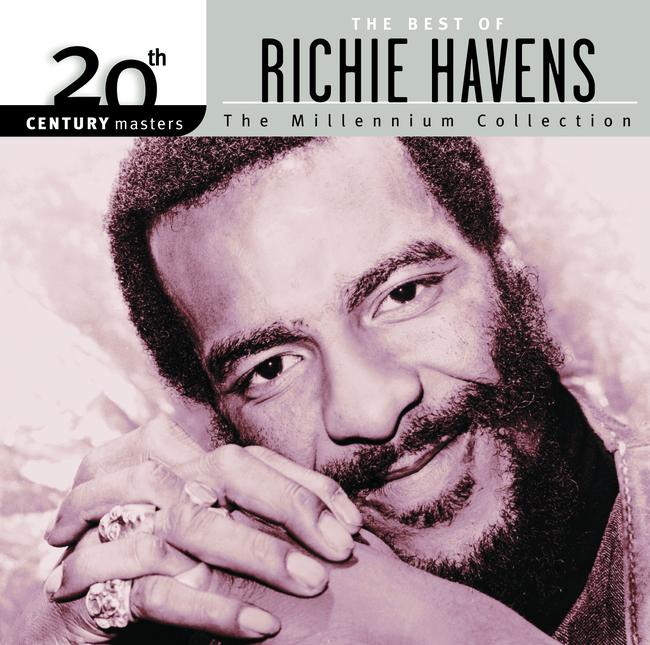
 1983Common Ground