
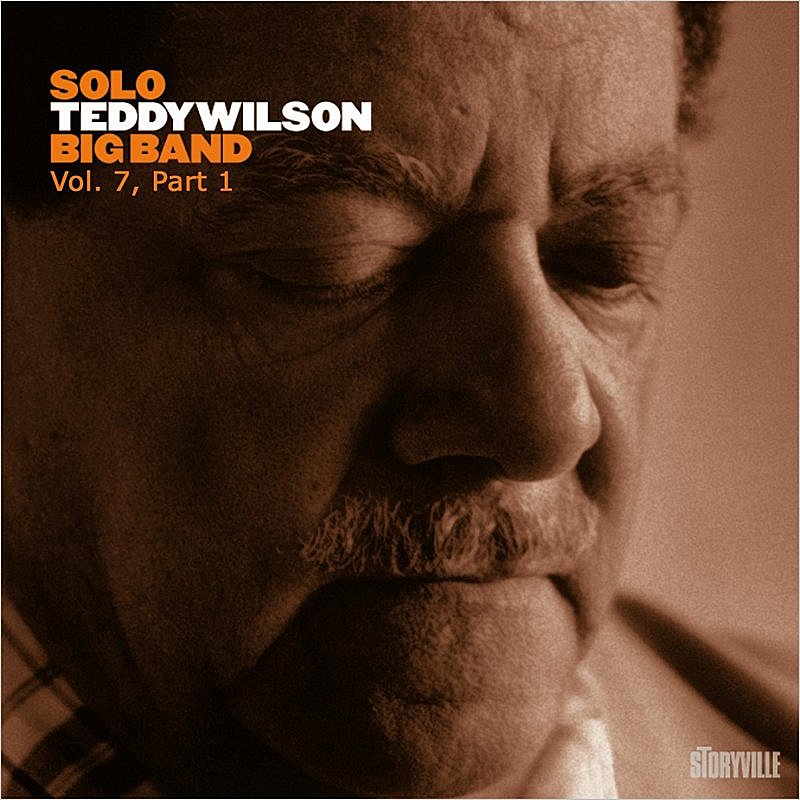
Breaking down the themes in Quartets & Quintets by Teddy Wilson
Quartets & Quintets- Album Overview
"Quartets & Quintets" is a seminal jazz album by renowned pianist Teddy Wilson, released in 1957 under the Verve Records label. This album stands as a testament to Wilson's profound influence on the jazz genre, showcasing his virtuosic piano skills and his ability to create captivating arrangements. The album features collaborations with notable jazz musicians of the time, including the likes of Benny Goodman and Billie Holiday, marking a significant period in the evolution of American jazz.
The recording sessions took place in New York City, a hub for jazz innovation during the 1950s. This album consists of a collection of tracks that highlight Wilson's intricate playing style and his knack for blending different musical elements. The arrangements are rich and varied, ranging from upbeat swing numbers to more introspective ballads, reflecting the diverse nature of jazz during this era.
Among the standout tracks are "Sweet Lorraine" and "Moonglow," which not only demonstrate Wilson's technical prowess but also his ability to convey deep emotional resonance through music. The album's release contributed to the popularization of small ensemble jazz, emphasizing the importance of collaboration and improvisation within the genre. The cultural significance of "Quartets & Quintets" lies in its role in bridging the gap between traditional jazz and the more modern interpretations that would emerge in the following decades, solidifying Teddy Wilson's legacy as a pivotal figure in jazz history.
Review
The sound of "Quartets & Quintets" is a masterclass in the art of jazz ensemble playing. Wilson's piano work is both fluid and sophisticated, effortlessly navigating complex chord changes while maintaining a sense of melodic continuity. The interplay between the instruments is particularly noteworthy; each musician contributes to a cohesive sound that elevates the overall experience of the album. The arrangements are thoughtfully crafted, allowing for moments of improvisation that showcase the individual talents of each performer.
While the album lacks overt lyrical content, the emotional depth conveyed through the instrumentals speaks volumes about the themes of love, nostalgia, and the passage of time. Wilson's artistic vision is evident in the way he structures the pieces—balancing rhythm and melody to create a dynamic listening experience. Each track offers a unique exploration of jazz as a genre, pushing the boundaries of what was possible in ensemble performance at the time.
Highlights
- Exquisite piano craftsmanship by Teddy Wilson throughout the album.
- Strong collaborations with other jazz legends, enhancing the album's richness.
- Diverse musical arrangements that capture the essence of jazz innovation in the 1950s.
Weak points
- Some tracks may feel dated to contemporary listeners unfamiliar with classic jazz.
- Limited lyrical content might not appeal to fans of vocal jazz.
- Occasional over-reliance on traditional jazz tropes, lacking modern experimentation.
Overall evaluation
"Quartets & Quintets" is a landmark album that encapsulates the spirit of jazz in the 1950s, showcasing Teddy Wilson's exceptional talent and his ability to collaborate with other greats of the genre. While it may not resonate with all modern listeners, its historical and cultural significance remains undeniable.
Personal rating: 8/10