
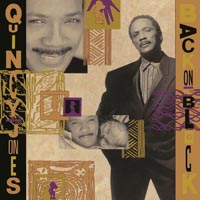
Why Quincy Jones's Q’s Jook Joint matters
Q’s Jook Joint- Album Overview
Released in 1995, Quincy Jones's "Q’s Jook Joint" is a vibrant and eclectic album that showcases the legendary producer's ability to blend genres while celebrating the rich tapestry of African American musical traditions. This album, released under the Qwest Records label, features an impressive array of collaborations with various artists, including the likes of Tevin Campbell, Chaka Khan, and Mary J. Blige, underscoring Jones's knack for bringing together diverse talents. The recording sessions drew from multiple musical styles, including R&B, jazz, hip-hop, and funk, reflecting the cultural melting pot that is American music.
"Q’s Jook Joint" is also notable for its concept; the album serves as a sonic journey through a fictional jook joint, a term used to describe a casual gathering place where music and dance occur, particularly within African American culture. This thematic approach adds depth to the listening experience, allowing audiences to engage with the music not just as standalone tracks but as part of a larger narrative. The album features several singles, most notably "I'll Be Good to You," which became a hit and exemplifies the seamless fusion of contemporary R&B with classic soul elements.
The album's production quality is top-notch, a hallmark of Jones's work, characterized by lush arrangements, intricate instrumentation, and polished vocals. The use of live instrumentation combined with modern production techniques creates a rich soundscape that is both nostalgic and forward-thinking. "Q’s Jook Joint" also highlights Jones's influence as a cultural icon, as he skillfully brings together various musical styles and artists to create a cohesive and celebratory work that resonates with listeners across generations.
Review
"Q’s Jook Joint" is an ambitious project that not only showcases Quincy Jones's production prowess but also his vision as a curator of music. The album flows seamlessly from one track to another, creating an atmosphere that is both lively and reflective. The sound is a testament to Jones's versatility, with each song capturing a different aspect of the jook joint experience. Lyrically, the themes revolve around love, resilience, and celebration, adding emotional depth to the upbeat instrumentation.
The artistic vision behind the album is commendable, as it serves as an homage to the jook joint culture while also pushing the boundaries of contemporary music. Each collaboration shines, with artists bringing their unique styles to the table, resulting in a dynamic listening experience. However, some may find that the sheer variety of styles and influences can lead to a lack of cohesiveness. Nevertheless, the album remains a significant work that reflects the cultural significance of community and musical expression.
Highlights
- Eclectic mix of genres showcasing Jones's versatility.
- Strong collaborations with prominent artists enhance the album's appeal.
- Rich production quality that captures the essence of live music.
Weak points
- Variety in musical styles may detract from overall cohesiveness.
- Some tracks may feel less impactful compared to the standout singles.
- Not all listeners may connect with the jook joint concept.
Overall evaluation
"Q’s Jook Joint" is a celebration of African American musical heritage, crafted with Quincy Jones's signature flair. While it may not resonate with everyone equally, its cultural significance and artistic ambition make it a noteworthy entry in the canon of contemporary music.
Personal rating: 8/10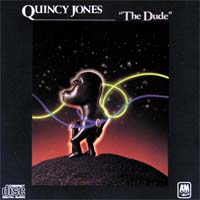 1981The Dude
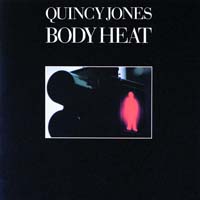 1974Body Heat
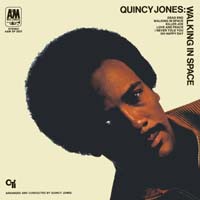 1969Walking in Space