ALBUM NOTESCheck the vibes: Devo-Q: Are We Not Men? A: We Are Devo / Devo Live – Q: Are We Not Men? A: We Are Devo / Devo Live
Album overview
Released in 1978, "Q: Are We Not Men? A: We Are Devo" is the debut studio album by the American rock band Devo, produced by Brian Eno. The album is a landmark in the new wave and punk rock genres, showcasing Devo's unique blend of art rock, punk, and experimental music. The title itself is a provocative questioning of identity and conformity, reflecting the band's philosophy of "de-evolution." The album features iconic tracks like "Satisfaction," a cover of the Rolling Stones classic reimagined through a deconstructed lens, and "Mongoloid," which addresses issues of societal norms and personal identity.
The recording took place in various studios with a distinct emphasis on synthesizers and unconventional rhythms, which marked a departure from mainstream rock sounds of the time. Released under Warner Bros. Records, the album received critical acclaim and has been influential in shaping the sound of alternative music. The band also released several singles from the album, including "Jocko Homo" and "Girl U Want."
Culturally, "Q: Are We Not Men? A: We Are Devo" challenged conventional rock norms and introduced a theatrical element to live performances, incorporating visual art and performance art into their music. Devo's aesthetic, marked by utilitarian costumes and a satirical approach to modern life, has left a lasting legacy on the music industry and continues to inspire new generations of artists.
Review
Devo's debut album is as much a manifesto as it is a collection of songs. The sound is stark and robotic, characterized by jagged guitar riffs and mechanical rhythms that evoke a sense of disconnection from the emotionality typical of the rock genre. Lyrically, the band explores themes of alienation and societal critique, providing a unique perspective that resonates with the disillusionment of the late 1970s. Tracks like "Satisfaction" exemplify this with their unsettling juxtaposition of familiarity and strangeness, presenting a critique of consumer culture through a distorted lens.
The artistic vision of Devo is encapsulated in their approach to music and performance, they don't just play songs but create an entire experience that invites audiences to rethink their understanding of identity and culture. The production quality, with Brian Eno's influence, adds an experimental edge that was rare at the time, making the album a forward-thinking piece of work that still feels relevant today. Overall, Devo's debut is a bold statement that effectively combines music with a deeper philosophical inquiry into the state of humanity.
Highlights
- Innovative sound that blends punk and art rock, setting a new standard for alternative music.
- Thought-provoking lyrics that challenge societal norms and question identity.
- Memorable tracks that remain influential in both music and popular culture.
Weak points
- The experimental nature may alienate traditional rock fans.
- Some tracks may feel repetitive or overly conceptual for casual listeners.
- The production style, while innovative, can sound dated to contemporary ears.
Overall evaluation
"Q: Are We Not Men? A: We Are Devo" is a groundbreaking album that not only established Devo as a pivotal band in the punk and new wave movements but also challenged listeners to reconsider their perspectives on culture and identity. It's an essential listen for anyone interested in the evolution of modern music.
Personal rating: 9/10
```


 2010Something for Everybody
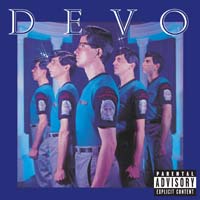 1981New Traditionalists
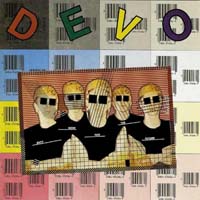 1979Duty Now for the Future