

Why The Alan Parsons Project's Pyramid matters
Pyramid- Album Overview
"Pyramid," the fifth studio album by The Alan Parsons Project, was released in 1978 under the Arista Records label. This concept album, influenced by themes of ancient Egypt, showcases the band's distinctive blend of progressive rock and art rock, characterized by lush production and intricate arrangements. Produced by Alan Parsons and Eric Woolfson, the album features a variety of talented musicians, including guitarist Ian Bairnson, drummer Stuart Elliott, and vocalists such as Chris Rainbow and the renowned session singer Lenny Zakatek.
The recording sessions took place at the famous Abbey Road Studios in London, which added a layer of prestige and quality to the final product. "Pyramid" includes notable tracks like "What Goes Up..." and "Can't Take It with You," both of which illustrate the band’s knack for marrying melodic hooks with thought-provoking lyrics. Although the album did not achieve the commercial success of its predecessor, "I Robot," it still managed to reach the Top 40 in the UK and generated a cult following over the years. The album's thematic exploration of the human condition, mortality, and the passage of time resonates deeply, making it a significant entry in The Alan Parsons Project's discography. Its cultural impact is often reflected in its influence on subsequent progressive rock and pop artists who admire its ambitious soundscapes and lyrical depth.
Review
The sound of "Pyramid" is a hallmark of The Alan Parsons Project, showcasing the band’s ability to weave together rock elements with orchestral arrangements. The album's production is rich and layered, a testament to Parsons’ engineering prowess. Lyrically, it delves into existential themes, with tracks like "What Goes Up..." serving as a philosophical reflection on the cyclical nature of life. The use of synthesizers and traditional instruments creates a unique auditory experience, blending the old with the new.
Artistically, "Pyramid" reflects the band's vision of storytelling through music, where each track contributes to a larger narrative about life and death, ambition and futility. While some critics might argue that the album lacks the immediate accessibility of mainstream rock, its depth and complexity invite listeners to engage more profoundly, rewarding them with repeated listens. The ambitious concept of the album, centered around ancient Egyptian motifs, adds an intriguing layer of mystique that enhances its appeal.
Highlights
- Intricate production with a rich soundscape that showcases the band's musical craftsmanship.
- Thought-provoking lyrics that explore deep existential themes and human experiences.
- Strong vocal performances, particularly from Chris Rainbow and Lenny Zakatek, adding emotional depth to the tracks.
Weak points
- Some tracks may feel less accessible to mainstream audiences due to their complex arrangements.
- The album's concept may not resonate with all listeners, limiting its appeal.
- It lacks the commercial hits that characterized earlier albums, which might affect its recognition.
Overall evaluation
In summary, "Pyramid" stands as a testament to The Alan Parsons Project's artistic ambition and musical innovation. It may not have achieved massive commercial success, but its cultural significance and rich thematic content ensure its lasting legacy in the realm of progressive rock.
Personal rating: 8.5/10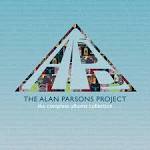 2014The Sicilian Defence
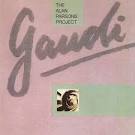 1987Gaudi
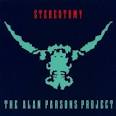 1985Stereotomy
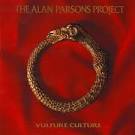 1984Vulture Culture
 1984Ammonia Avenue
 1982Eye In The Sky
 1979Eve
 1977I Robot