ALBUM NOTESA closer look at Harry Nilsson-Pussy Cats's album Pussy Cats
Album overview
Harry Nilsson's album "Pussy Cats," released in 1974, stands out as a unique collaboration that captures the artist's eclectic style during a turbulent period in his life. The album was produced by the legendary John Lennon, who also contributed to its distinct sound. Recorded in the aftermath of the Beatles' breakup, the sessions took place in Los Angeles and were marked by a laid-back yet chaotic atmosphere, reflecting Nilsson's personal struggles with fame and substance abuse. The album was released under RCA Records and features a blend of rock and pop, characteristic of Nilsson's diverse musical palette.
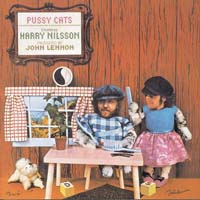
"Pussy Cats" includes notable tracks such as "Many Rivers to Cross," a heartfelt cover that showcases Nilsson's vocal prowess, and "Subterranean Homesick Blues," a playful reinterpretation of Bob Dylan's classic. The album's cover art, featuring a whimsical illustration of cats, adds to its quirky charm. Collaborators on the album included members of the Los Angeles music scene, such as Jim Keltner and Klaus Voormann, who contributed their talents to the recording sessions. While "Pussy Cats" did not spawn major hit singles, it is often regarded as a cult classic, praised for its artistic ambition and candid reflections on Nilsson's life.
Musically, the album combines elements of rock, pop, and a touch of the avant-garde, making it a significant release in Nilsson's discography. Its cultural significance lies in its representation of the 1970s music scene, where artistic experimentation was embraced amidst the backdrop of personal turmoil. "Pussy Cats" remains a testament to Nilsson's talents and the creative spirit of an era marked by change and innovation in popular music.
Review
"Pussy Cats" showcases Harry Nilsson's distinctive vocal style and songwriting capabilities, yet it feels somewhat disjointed at times. The collaboration with John Lennon results in a sound that oscillates between polished and raw, reflecting the chaotic energy of its recording sessions. The lyrical content often grapples with themes of loss and introspection, which are hallmarks of Nilsson's work, but the execution can feel uneven.
The album's standout tracks, particularly "Many Rivers to Cross," highlight Nilsson's ability to convey deep emotion through his voice, while others, like "Subterranean Homesick Blues," reveal a playful side. However, the playful arrangements sometimes detract from the more somber moments, creating a contrast that may not resonate with all listeners. Overall, "Pussy Cats" is an ambitious project that captures the essence of Nilsson's artistry, even if it occasionally stumbles in coherence.
Highlights
- Rich vocal performances that showcase Nilsson's range and emotional depth.
- Unique collaboration with John Lennon, adding a layer of intrigue to the album.
- Cult classic status, appealing to fans of 1970s rock and pop.
Weak points
- Some tracks feel disjointed and lack cohesion.
- Lack of major hit singles may limit its mainstream appeal.
- Production quality varies, reflecting the chaotic recording environment.
Overall evaluation
"Pussy Cats" is a fascinating glimpse into Harry Nilsson's creative world during a pivotal time in his life. While it may not be his most accessible album, it offers a rich tapestry of sound and emotion that is worth exploring for fans of the era.
Personal rating: 7/10
```

 2019Losst And Founnd
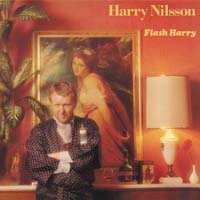 1980Flash Harry
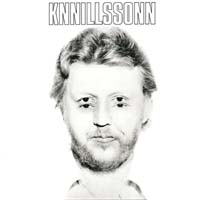 1977Knnillssonn
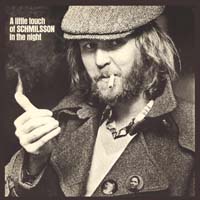 1973A Little Touch of Schmilsson in the Night