
Listening to Power Windows by Rush
Power Windows- Album Overview
Released on October 29, 1985, "Power Windows" is the eleventh studio album by the Canadian rock band Rush. The album was produced by Peter Collins and released under the Anthem Records label. It was recorded at Le Studio in Morin Heights, Quebec, and is notable for its elaborate synthesizer arrangements and a more electronic sound compared to Rush's earlier albums. This shift reflected the band's willingness to embrace new technology and sounds during the mid-1980s, a period marked by the rise of synth-driven rock music.
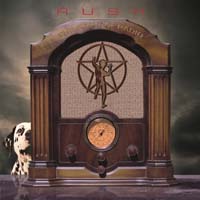
The album features a total of eight tracks, including notable singles such as "The Big Money," "Mystic Rhythms," and "Territories." Lyrically, "Power Windows" explores themes of individuality, societal dynamics, and the power of technology, drawing inspiration from the works of authors like Ayn Rand and William Gibson. The album cover, designed by Hugh Syme, also reflects these themes, showcasing a striking image of a city skyline through a series of windows, symbolizing perspective and insight.
Musically, "Power Windows" is characterized by its intricate arrangements, blending classic rock elements with progressive rock and new wave influences. The album is regarded as a significant entry in Rush's discography, showcasing the band's ability to evolve while maintaining their core identity. It received positive reviews upon release and has since been praised for its ambitious soundscapes and thought-provoking lyrics, solidifying Rush's status as pioneers in the progressive rock genre.
Review
Listening to "Power Windows" is an immersive experience that showcases Rush at a pivotal moment in their career. The album's sound is characterized by its rich tapestry of synthesizers and layered guitar work, creating an atmospheric and expansive listening environment. The opening track, "The Big Money," sets the tone with a catchy keyboard riff and engaging lyrics that delve into the complexities of capitalism and modernity.
The lyrical content throughout the album is intellectually stimulating, challenging listeners to reflect on contemporary issues. Songs like "Territories" and "Mystic Rhythms" explore themes of cultural identity and the interplay between technology and humanity, making them relevant even decades after their release. Geddy Lee's distinctive vocals soar over Alex Lifeson's textured guitar work, while Neil Peart's drumming is as precise and dynamic as ever, contributing to the overall cohesion of the album.
While some longtime fans of the band may prefer their earlier, more guitar-driven sound, "Power Windows" stands as a testament to Rush's willingness to experiment and grow. The album captures a unique moment in music history, reflecting the era's fascination with technology and its potential impacts on society. Overall, "Power Windows" is a compelling blend of progressive rock and synth-pop, making it a noteworthy entry in Rush's storied catalog.
Highlights
- Intricate synth arrangements that elevate the band's sound.
- Thought-provoking lyrics that engage with contemporary issues.
- Memorable singles that remain fan favorites.
Weak points
- Some fans may find the electronic elements less appealing compared to earlier albums.
- A few tracks may feel less cohesive in the context of the overall album.
- The production style may not resonate with all listeners, particularly purists of classic rock.
Overall evaluation
"Power Windows" is an ambitious and innovative album that showcases Rush's ability to adapt to the changing musical landscape of the 1980s while maintaining their progressive roots. It invites listeners to contemplate important themes through its captivating sound. While it may not resonate with every fan of the band, it undeniably holds a significant place in rock history.
Personal rating: 8/10