Pop- Album Overview
U2's "Pop," released on March 3, 1997, marks a significant turn in the band's discography, showcasing their willingness to embrace the sounds and aesthetics of the late '90s. The album was produced by a trio of influential figures: Flood, Steve Lillywhite, and Brian Eno, blending rock with electronic and dance influences. Released under the Island Records label, "Pop" was recorded during a tumultuous period for the band, juxtaposing their massive success with the pressures of innovation and reinvention.
The album features notable singles such as "Discothèque," "Staring at the Sun," and "Mofo," each reflecting U2's engagement with contemporary culture and technology. Thematically, "Pop" explores issues of identity, fame, and the complexities of modern life, all while experimenting with a diverse range of musical styles. The use of sampling, loops, and a more dance-oriented sound was a departure from their previous work, aiming to connect with a younger audience and the burgeoning club culture.
Despite its mixed reviews upon release, "Pop" has gained a cult following over the years, often recognized for its boldness and ambition. The album art, designed by the renowned artist, Anton Corbijn, further emphasizes the visual and conceptual overhaul that U2 was pursuing during this era. "Pop" stands as a pivotal moment in U2's career, a bold experiment that continues to resonate with listeners and reflects the band's ongoing evolution.
Review
"Pop" is a sonic kaleidoscope, merging rock with elements of techno and dance music, which was quite avant-garde for its time. The opening track, "Discothèque," sets the tone with its pulsating beats and infectious energy, inviting listeners into a world of vibrant soundscapes. The lyrics often delve into themes of disillusionment and the search for authenticity in a superficial world, which is a recurring motif throughout the album.
Tracks like "Staring at the Sun" showcase a more introspective side, juxtaposing upbeat rhythms with reflective lyrics, while "Mofo" channels the band's struggles with fame and personal loss. The production is lush and layered, with Eno's ambient influences evident in the atmospheric sound. However, the album's ambition sometimes overshadows its coherence, leading to moments that feel disjointed or overly experimental.
Overall, "Pop" is a testament to U2's artistic vision, pushing boundaries while wrestling with their identity in a rapidly changing musical landscape.
Highlights
- Innovative fusion of rock and dance elements that redefined the band's sound.
- Thought-provoking lyrics that tackle modern themes of identity and fame.
- Strong singles that resonate with both pop and alternative audiences.
Weak points
- Mixed critical reception at the time of release led to some misconceptions about its quality.
- Some tracks may feel overly experimental or lack cohesion.
- Production choices can overshadow lyrical depth in certain songs.
Overall evaluation
"Pop" stands as a bold, albeit polarizing, chapter in U2's storied career. Its innovative approach to sound and themes reflects a desire to evolve while remaining relevant. While it may not be universally acclaimed, its significance in the band's legacy is undeniable.
Personal rating: 7/10

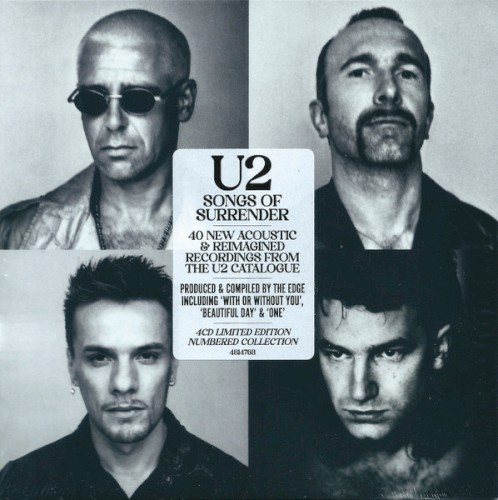 2023Songs Of Surrender
 2014Songs of Innocence
 2009No Line on the Horizon
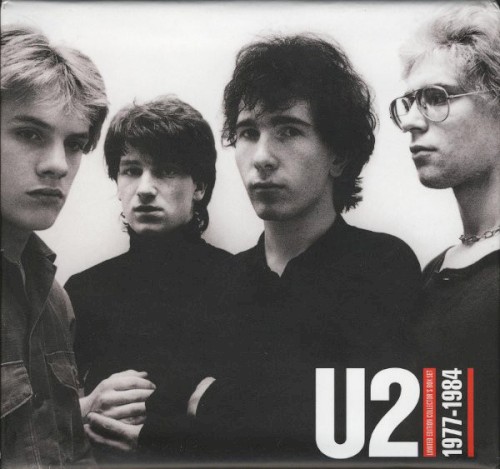 20081977–1984: Collector’s Box Set
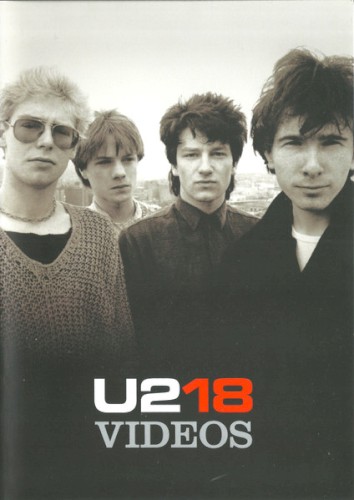 200618 Videos
 2006U218 Singles
 2004Unreleased & Rare
 2004The Complete U2
 2004How to Dismantle an Atomic Bomb
 2002The Best Of 1990–2000
 2000Previous Day
 1998The Best Of 1980–1990
 1995The Very Best
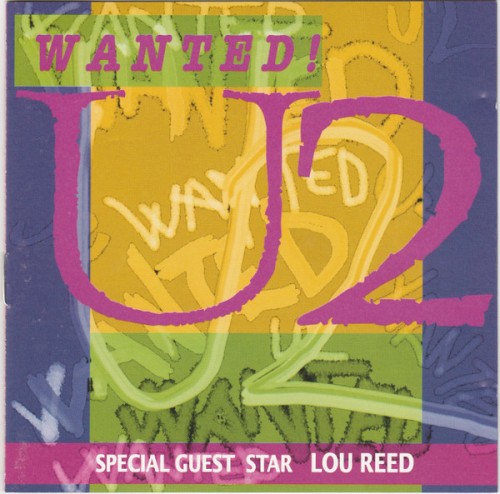 1993Wanted
 1993Zooropa
 1991Achtung Baby
 1988Rattle and Hum
 1987The Joshua Tree
 1984The Unforgettable Fire
 1983War
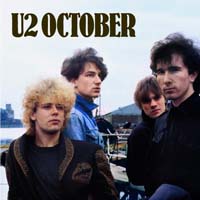 1981October
 1980Boy