Album overview
Midnight Oil's "Place Without a Postcard," released in 1981, marks a significant moment in the band's evolution and the Australian rock scene. The album, released under the Columbia Records label, showcases their characteristic blend of rock, punk, and new wave influences, reflecting both musical innovation and socio-political themes. Recorded in various locations, including the band's home studio in Sydney, the album features production from the band's own members, particularly Peter Garrett and Jim Moginie, who are instrumental in crafting its sound.
Notable tracks include the energetic "Don't Wanna Be the One," which reached the top of the Australian charts, and "I See You," a reflective piece that highlights the band’s lyrical depth and social consciousness. The album continues to resonate with listeners, thanks in part to its exploration of Australian identity and indigenous issues, which became central themes in Midnight Oil's body of work. The band, known for their activism, uses their music as a platform to address environmental concerns and social justice, making "Place Without a Postcard" not just an album, but a cultural artifact of its time.
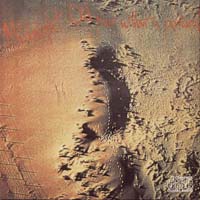
The album's cover art, designed by artist and band member Jim Moginie, features a striking visual that complements the themes of displacement and identity inherent in the music. This project solidified Midnight Oil's reputation not only as musicians but also as cultural commentators, paving the way for future works that would further explore the intersection of art and activism.
Review
"Place Without a Postcard" is an album that reflects Midnight Oil's commitment to both musical exploration and social advocacy. The sound is a vibrant mix of driving rock rhythms, catchy hooks, and thought-provoking lyrics, which are hallmarks of the band's style. Tracks like "Don't Wanna Be the One" capture a sense of urgency and rebellion, while songs like "I See You" offer a more introspective look at personal and societal issues.
Lyrically, the album delves into themes of identity, belonging, and the struggles faced by marginalized communities in Australia. The vocals of Peter Garrett are particularly powerful, delivering messages with both passion and a sense of urgency that resonates deeply. The instrumentation is equally compelling, with a robust mix of guitars, bass, and drums that create an energetic sound. The production is raw yet polished, allowing the emotional weight of the lyrics to shine through.
Overall, the artistic vision of "Place Without a Postcard" is one that is both ambitious and deeply rooted in the realities of Australian life. The album stands out not only for its musicality but also for its socially conscious message, making it a significant entry in Midnight Oil's discography.
Highlights
- Dynamic and energetic sound that fuses rock and punk elements.
- Powerful, socially conscious lyrics that address important issues.
- Strong vocal performance from Peter Garrett that conveys deep emotion.
Weak points
- Some tracks may feel less impactful compared to the standout singles.
- A few moments of production could have benefited from a more refined approach.
- Not all listeners may connect with the socio-political themes presented.
Overall evaluation
"Place Without a Postcard" is a compelling album that encapsulates Midnight Oil's unique sound and ethos. It serves as both a reflection of its time and a timeless commentary on social issues. The balance of energetic rock and thoughtful lyrics makes it a notable work in the band's career and a significant piece of Australian music history.
Personal rating: 8/10
```

 2022Resist
 1998Redneck Wonderland
 1996Breathe
 1993Earth and Sun and Moon
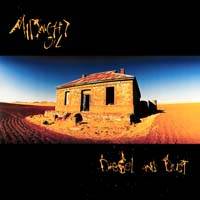 1987Diesel and Dust
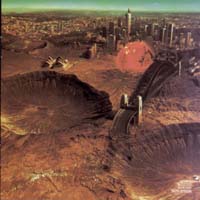 1984Red Sails in the Sunset
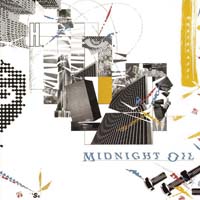 198210,9,8,7,6,5,4,3,2,1
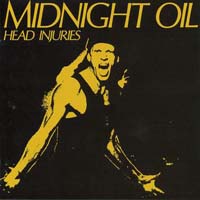 1979Head Injuries