ALBUM NOTESA closer look at Jaco Pastorius-PDB's album PDB
Album overview
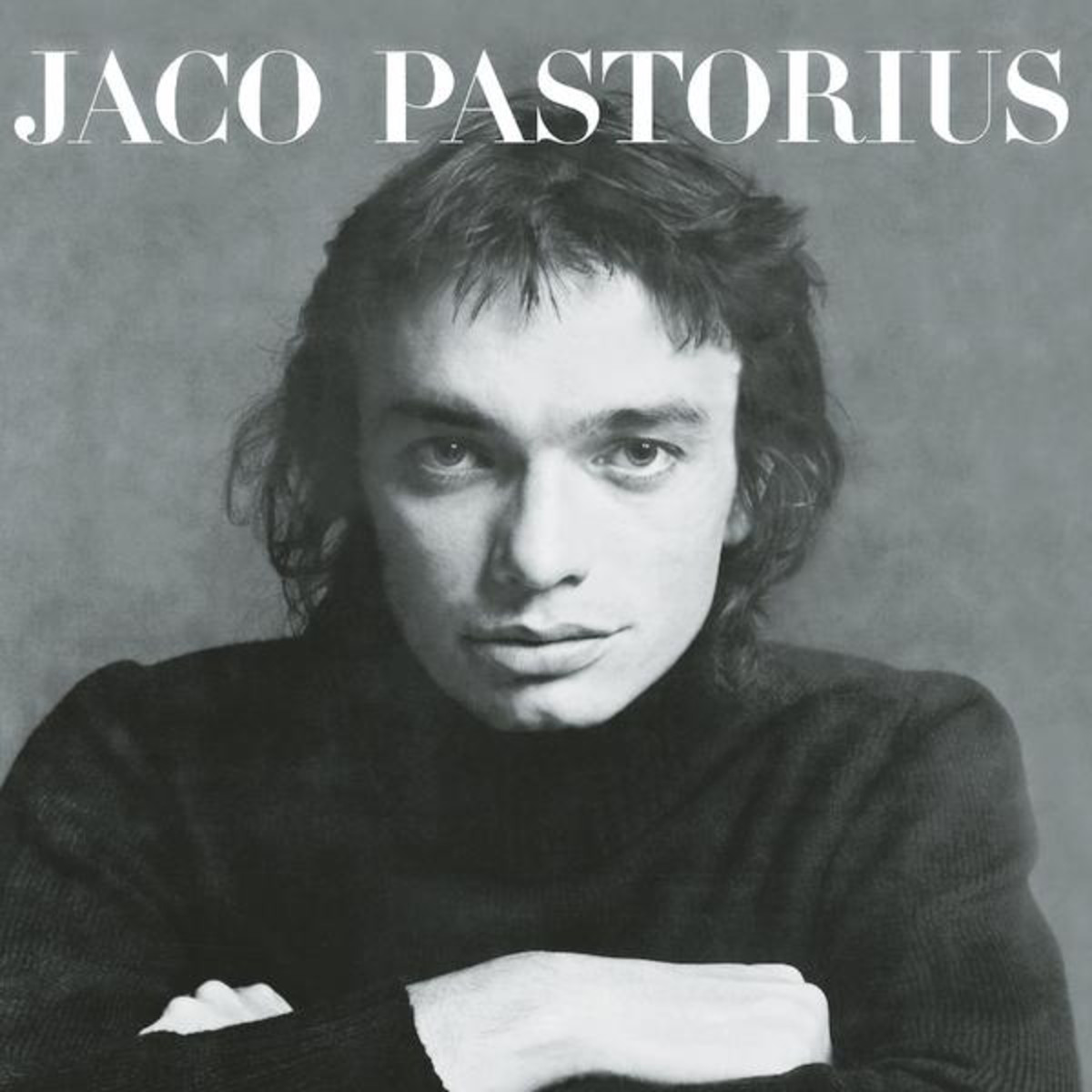
Jaco Pastorius, a pioneering jazz bassist known for his virtuosic technique and innovative style, released his self-titled debut album in 1976 under the Epic Records label. While "PDB" is not an official title in Pastorius' discography, it evokes the essence of his groundbreaking work. His self-titled album features a fusion of jazz, funk, and rock elements, showcasing his unique approach to the electric bass. The album was produced by Pastorius himself, alongside notable collaborators such as jazz legends Wayne Shorter and Herbie Hancock. Tracks like "Donna Lee," a reinterpretation of a Charlie Parker standard, highlight his melodic prowess and harmonic innovation. The album's release marked a significant moment in music, as it brought the electric bass to the forefront of jazz, influencing countless musicians across genres. The impact of Pastorius' work can still be felt today, as he set a new standard for bass guitarists, blending intricate solos with rhythmic complexity. While "PDB" may not exist as a standalone album, the context surrounding Pastorius’ career and musical contributions remains an essential part of jazz history.
Review
Jaco Pastorius' artistry is synonymous with innovation, and his self-titled album serves as a testament to his genius. The sound is characterized by rich, complex harmonies and a seamless blend of jazz improvisation with funk grooves. The standout track, "Birdland," is a perfect example of this fusion, featuring intricate bass lines that dance effortlessly around the melody. Lyrically, while the album is primarily instrumental, the musical conversations between the musicians convey deep emotional narratives without the need for words. Pastorius’ artistic vision was to push the boundaries of jazz and redefine the role of the bass guitar, and he accomplished this with unparalleled skill. The production quality is pristine, allowing each note to resonate with clarity, which is essential for appreciating the subtleties of his playing. Overall, the album captures a moment in time where jazz was evolving, and Pastorius was at the forefront of that evolution.
Highlights
- Innovative bass techniques that redefined the role of the instrument in jazz.
- Seamless fusion of genres, creating a unique sound that appeals to a wide audience.
- Collaboration with legendary musicians, adding depth and complexity to the compositions.
Weak points
- Some tracks may feel overly complex for casual listeners unfamiliar with jazz.
- The absence of vocal elements might limit appeal to those who prefer lyrical content.
- Production style may seem dated to contemporary audiences accustomed to modern soundscapes.
Overall evaluation
Jaco Pastorius' self-titled album is a landmark in jazz history, showcasing his groundbreaking approach to the electric bass and his ability to blend genres. It remains a critical work for any serious music enthusiast.
Personal rating: 9/10
```

 1981Word of Mouth
 1976Jaco Pastorius
 1974Jaco