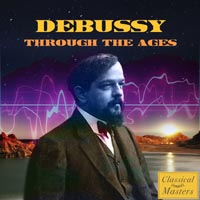
ALBUM NOTESReview of Claude Debussy-Pavane / L’Apprenti sorcier / Danse macabre / Marche hongroise / – Pavane / L’Apprenti sorcier / Danse macabre / Marc
Album overview
Claude Debussy's "Pavane / L’Apprenti sorcier / Danse macabre / Marche hongroise /" showcases a collection of instrumental works that highlight the composer’s impressionistic style and mastery of orchestration. Released under the Deutsche Grammophon label in 1978, this album features orchestral arrangements of pieces by Debussy, Paul Dukas, and Camille Saint-Saëns, among others. The recording captures the ethereal qualities of Debussy's music while also embracing the dramatic flair of Dukas’ "L’Apprenti sorcier" (The Sorcerer's Apprentice) and Saint-Saëns’ "Danse macabre."
The album is a collaboration of renowned orchestras, led by distinguished conductors who bring out the depth of emotion in these works. Notably, the recording features the Orchestre de Paris and the London Symphony Orchestra, each lending their unique sound to the interpretations. The album is significant as it presents a blend of French classical music that spans from the late Romantic period into the early 20th century, providing listeners with a rich tapestry of sound. The standout tracks include Debussy's "Pavane pour une infante défunte," which evokes a haunting beauty, and Dukas’ "L’Apprenti sorcier," which is famously recognized for its animated orchestration. Overall, this album serves as an essential entry point for those looking to explore French orchestral music.
Review
The album opens with Debussy's "Pavane," a piece that floats delicately through the air, characterized by its gentle melodies and lush orchestration. The warmth of the strings combined with the subtle woodwinds creates a soundscape that is both nostalgic and evocative. In contrast, "L’Apprenti sorcier" bursts forth with energy, showcasing Dukas' ability to blend humor and drama into a compelling narrative through music. The orchestration is rich and vividly descriptive, making it easy to visualize the story unfolding.
Similarly, "Danse macabre" by Saint-Saëns presents a darker, more macabre atmosphere, with its iconic xylophone motif cleverly imitating the sound of skeletons dancing. The rhythmic drive of this piece contrasts sharply with the reflective nature of Debussy's works, making for a dynamic listening experience. The album's production quality is high, allowing each instrument to shine while maintaining a cohesive sound throughout.
In summary, this album is a remarkable collection that highlights the unique qualities of French orchestral music of the late 19th and early 20th centuries, inviting listeners to appreciate the depth and diversity of the genre.
Highlights
- Exceptional orchestration that showcases the strengths of each piece.
- Rich emotional depth, particularly in the opening "Pavane."
- Dynamic contrasts between the whimsical "L’Apprenti sorcier" and the haunting "Danse macabre."
Weak points
- The album may appeal more to classical enthusiasts than casual listeners.
- Some pieces may feel too brief, leaving listeners wanting more development.
- The mixing, while generally clear, could occasionally overshadow quieter passages.
Overall evaluation
In conclusion, "Pavane / L’Apprenti sorcier / Danse macabre / Marche hongroise /" is a captivating journey through the realms of French impressionism and orchestral storytelling. It’s an essential listen for those interested in exploring the rich tapestry of this musical era.
Personal rating: 8/10
```