
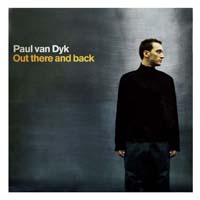
Paul Van Dyk experiments boldly on Out There and Back
Out There and Back- Album Overview
Released in 2000, "Out There and Back" marks a pivotal moment in Paul Van Dyk's illustrious career, showcasing his innovative approach to electronic music. The album was released under the MFS label, a platform known for its significant contributions to the trance genre. This album follows Van Dyk's 1999 release, "Seven Ways," and represents his first full-length studio album since becoming a recognized figure in the electronic music scene.
In crafting "Out There and Back," Van Dyk collaborated with several prominent artists and producers, including the vocal talents of artists like Sue McLaren and the renowned trance vocalist, Vega 4. The album features a blend of progressive trance and uplifting melodies, drawing listeners into an ethereal soundscape that reflects both personal and universal themes.
Singles such as "We Are Alive" and "Nothing But You" became staples in the electronic music circuit, further solidifying his reputation as a leading figure in the genre. The production is characterized by its intricate layering, rhythmic complexity, and emotional depth, making it a standout work in the early 2000s trance revival. The album not only highlights Van Dyk's technical prowess but also his ability to evoke emotion through sound, capturing the essence of the rave culture that was burgeoning at the time.
"Out There and Back" has been praised for its cultural significance, representing a high point in the evolution of trance music and influencing a new generation of artists. Its release coincided with the rise of electronic music festivals, further embedding Van Dyk in the fabric of the global dance music community. The album remains a testament to his artistry and his fearless exploration of sound.
Review
In "Out There and Back," Paul Van Dyk masterfully blends euphoric synth lines with driving beats, crafting an immersive listening experience. The album's sound is a testament to the evolution of trance, seamlessly integrating melodic elements that resonate on both emotional and physical levels. Tracks like "We Are Alive" encapsulate the essence of rapture found in the dance scene, while others, such as "Home," reveal a more introspective side of his artistry.
Lyrically, the album often explores themes of connection and transcendence, mirroring the communal experience of electronic music events. Van Dyk's artistic vision is clear: to create music that not only gets people dancing but also fosters a sense of belonging and unity. This is evident in the way each track flows into the next, creating a journey for the listener rather than a mere collection of songs.
However, some may argue that the album occasionally leans too heavily on formulaic structures typical of the genre, which can detract from its overall impact. Despite this, Van Dyk's knack for melody and rhythm ensures that "Out There and Back" remains a significant contribution to the electronic music landscape.
Highlights
- Innovative soundscapes that push the boundaries of trance music.
- Emotionally resonant melodies that capture the listener's heart.
- Strong collaborations that enhance the album's overall richness.
Weak points
- Some tracks may feel formulaic or repetitive to seasoned listeners.
- A few transitions between tracks can be abrupt, disrupting the flow.
- Limited lyrical depth in certain songs compared to the musicality.
Overall evaluation
"Out There and Back" is a bold statement from Paul Van Dyk, showcasing his innovative spirit and mastery of the trance genre. While it has its weaknesses, the album's strengths far outweigh them, making it a must-listen for fans of electronic music.
Personal rating: 8/10 2020Guiding Light
 2012Evolution
 1996Seven Ways