
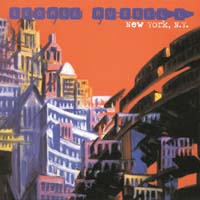
Is Othello Ballet Suite / Electronic Organ Sonata No. George Russell's best work yet?
Othello Ballet Suite / Electronic Organ Sonata No.- Album Overview
Released in 1970 under the label Deutsche Grammophon, "Othello Ballet Suite / Electronic Organ Sonata No." showcases the innovative genius of George Russell, a pivotal figure in the development of modern jazz. This album brings together two distinct works that highlight both his orchestral and electronic music capabilities. The "Othello Ballet Suite" is inspired by Shakespeare's tragic play and integrates jazz elements with classical orchestration, reflecting Russell's deep understanding of both genres. The "Electronic Organ Sonata," on the other hand, delves into the realm of avant-garde music, utilizing the burgeoning technology of electronic instruments to create a soundscape that was ahead of its time. Russell collaborated with notable musicians, including the prominent jazz drummer Elvin Jones and bassist Dave Holland, who contribute to the intricate textures of the compositions. The album's recording sessions were characterized by a spirit of experimentation, as Russell sought to push the boundaries of traditional music forms. Through this duality in composition, Russell not only pays homage to literary art but also explores the evolving landscape of music in the late 20th century. It is a significant piece in Russell's discography, embodying his artistic vision and his quest for musical innovation during a transformative era in jazz and classical music.
Review
George Russell's "Othello Ballet Suite / Electronic Organ Sonata No." is a compelling exploration of sound that defies conventional genres. The album opens with the "Othello Ballet Suite," a sophisticated arrangement that marries jazz rhythms with classical melodies, creating an atmosphere that is both dramatic and intricate. Russell's ability to weave complex harmonies and progressions is evident throughout this piece, offering listeners a rich auditory experience that resonates with the emotional weight of Shakespeare's narrative. In contrast, the "Electronic Organ Sonata" breaks new ground with its innovative use of technology. The sonata is less linear and more experimental, showcasing Russell's willingness to embrace the unknown. The electronic textures create a stark yet captivating contrast to the lush orchestration of the ballet suite. While some may find the abrupt shifts in style challenging, it is precisely this boldness that makes the album a significant artistic statement. Russell's work here not only reflects his technical prowess but also his philosophical approach to music, where he continually seeks to expand the boundaries of expression. This album serves as a testament to his vision, making it a must-listen for fans of both classical and contemporary music.
Highlights
- Innovative fusion of jazz and classical elements.
- Intricate arrangements that showcase Russell's compositional skill.
- Groundbreaking use of electronic instruments in the "Electronic Organ Sonata."
Weak points
- Some listeners may find the abrupt transitions between styles jarring.
- The avant-garde nature of the sonata may not appeal to traditional jazz or classical fans.
- Limited commercial appeal compared to more mainstream releases.
Overall evaluation
"Othello Ballet Suite / Electronic Organ Sonata No." stands as a significant achievement in George Russell's career, illustrating his unique approach to music that bridges genres and embraces innovation. While it may challenge some listeners, it ultimately rewards those willing to engage with its complexities.
Personal rating: 8/10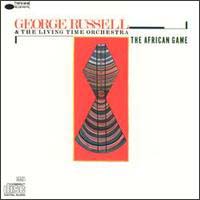 1986The African Game
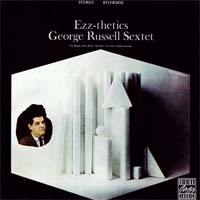 1961Ezz-thetics