

Unpacking Enrique Morente's Omega
Omega- Album Overview
Enrique Morente's "Omega," released in 1996, is a groundbreaking album that merges traditional flamenco with avant-garde elements, creating a sound that is both innovative and deeply rooted in Spanish culture. Produced by Morente himself, the album was released under the label Universal Music Spain and features a rich tapestry of sounds that includes guitars, percussion, and orchestral strings. The recording took place in various studios, including the renowned Estudios DDC in Madrid, where Morente collaborated with a diverse group of musicians, including guitarists like Tomatito and Antonio Gámez, and the legendary flamenco percussionist José Antonio Ramos.
The album is notable for its unique blend of flamenco with influences from rock and jazz, showcasing Morente's artistic vision of pushing the boundaries of traditional music. "Omega" features a mixture of original compositions and adaptations of poetry, most notably the work of the Spanish poet Federico García Lorca. The album includes standout tracks such as "La Cañada," "Omega," and "Por lo Que Nació," each reflecting Morente's deep understanding of flamenco's emotional depth and cultural significance. The lead single "La Cañada" helped bridge the gap between flamenco aficionados and a broader audience, further establishing Morente's reputation as a revolutionary figure in the genre. "Omega" not only redefined flamenco for a new generation but also opened the doors for future experimentation within the genre, cementing Morente's legacy as a pivotal artist in Spanish music history.
Review
"Omega" is a daring exploration of sound that encapsulates the essence of flamenco while simultaneously venturing into uncharted territories. The album's production is rich and layered, allowing the listener to appreciate both the intricate guitar work and the haunting vocals of Morente. The lyrics, often drawn from Lorca's poetry, imbue the tracks with profound emotional weight, conveying themes of love, loss, and existential introspection. Morente's voice is a vessel of raw emotion, capable of conveying both the delicate nuances of traditional flamenco and the powerful crescendos of modern musical expression.
Artistically, Morente’s vision stands out as he defies conventions without losing the heart of flamenco. The incorporation of electronic elements and orchestral arrangements creates a soundscape that is at once contemporary and timeless. Each track invites the listener into a world where tradition meets innovation, making "Omega" not just an album but an experience. While some purists may find the experimental approach controversial, it is precisely this willingness to defy genre boundaries that solidifies Morente's status as a visionary in the music world.
Highlights
- Innovative fusion of traditional flamenco with contemporary genres.
- Rich lyrical content deeply rooted in Spanish poetry.
- Exceptional collaboration with renowned musicians, enhancing the album's depth.
Weak points
- Some traditionalists may find the experimental approach challenging.
- Occasional complexity in arrangements may overshadow the vocal performance.
- Limited mainstream recognition during its initial release may hinder broader appreciation.
Overall evaluation
"Omega" is a landmark album that challenges the conventions of flamenco while paying homage to its roots. Enrique Morente's artistic bravery and innovative spirit shine throughout this work, making it a must-listen for anyone interested in the evolution of Spanish music.
Personal rating: 9/10 1991Misa Flamenca
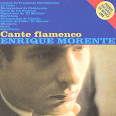 1967Cante Flamenco