

A closer look at Yellowcard's album Ocean Avenue Acoustic
Ocean Avenue Acoustic- Album Overview
"Ocean Avenue Acoustic," released on November 30, 2012, is an intimate reimagining of Yellowcard's seminal 2003 album "Ocean Avenue." The album was released under Hopeless Records and features acoustic renditions of the original tracks, showcasing the band's versatility and emotional depth. This project came as part of the band's ongoing celebration of their early work, allowing fans to experience the songs in a more stripped-down format. The acoustic album includes fan-favorites such as "Ocean Avenue," "Way Away," and "Only One," all rendered with a fresh perspective that emphasizes lyrical poignancy and melodic simplicity.
The recording took place in various locations, with the band members collaborating closely to maintain the essence of the originals while also exploring new interpretations. The use of string instruments, particularly the violin—played by long-time member Sean Mackin—adds a lush texture that complements Ryan Key's evocative vocals. The acoustic version of "Ocean Avenue" is particularly noteworthy, as it highlights the song's narrative of longing and nostalgia in a way that the original's pop-punk energy sometimes obscured. The album's release came during a time when Yellowcard was re-establishing themselves in the music scene after a brief hiatus, marking a significant moment in their career and a chance for newer fans to connect with their earlier work.
Overall, "Ocean Avenue Acoustic" stands as a testament to Yellowcard's ability to adapt and grow while honoring their roots. It allows listeners to revisit cherished songs through a lens of maturity and reflection, making it a meaningful addition to their discography.
Review
The acoustic treatment of "Ocean Avenue" allows Yellowcard to explore a more vulnerable side, stripping back the high-energy instrumentals that characterized their earlier sound. The album's production is clean, highlighting the intricate guitar work and emotive vocal performances. Lyrically, the songs resonate with themes of youth, love, and nostalgia, which are even more pronounced in this acoustic setting. Ryan Key's voice carries a rawness that feels genuine and relatable, inviting listeners to connect on a deeper level.
Artistically, this project reflects Yellowcard's vision of revisiting their past while offering a fresh take. The acoustic arrangements breathe new life into familiar melodies, making the album both a nostalgic journey and a contemporary experience. While the essence of the original songs remains intact, the acoustic versions reveal layers of emotion that may have been overshadowed by the original production style.
Highlights
- Beautifully reimagined tracks that emphasize lyrical depth and emotion.
- Intimate acoustic arrangements that showcase the band's musical versatility.
- Strong vocal performances that invite listener connection and nostalgia.
Weak points
- Some fans may miss the high-energy sound of the original versions.
- Limited new material; primarily consists of reworked songs.
- Acoustic versions may not appeal to listeners seeking the original pop-punk vibe.
Overall evaluation
"Ocean Avenue Acoustic" serves as a poignant reminder of Yellowcard's impact on the pop-punk scene while also showcasing their growth as artists. The acoustic renditions provide a fresh lens through which to appreciate beloved tracks, making it a worthwhile listen for both old fans and newcomers alike.
Personal rating: 8/10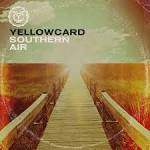 2012Southern Air
 2007Paper Walls
 2003Ocean Avenue
 1999Where We Stand
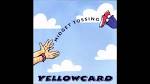 1997Midget Tossing