
Observer Attack Dub: the story Niney The Observer wants to tell
Observer Attack Dub- Album Overview
Released in 1976, "Observer Attack Dub" marks a significant entry in the world of reggae music, showcasing the innovative production style of Niney The Observer, also known as Niney Holness. This album is a celebration of dub music, a genre that emerged from reggae and is characterized by its emphasis on instrumental remixes and sound manipulation. "Observer Attack Dub" was released under the Observer label, which Niney founded, and is renowned for its pioneering contributions to the dub genre.
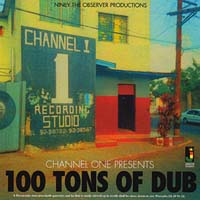
The album was recorded at Channel One Studios in Kingston, Jamaica, a hub for reggae music during the 70s. Niney collaborated with various artists and musicians, including the legendary Sly Dunbar on drums and Robbie Shakespeare on bass, whose rhythmic foundations provided a solid backdrop for the album’s explorative soundscapes. The recording sessions were steeped in the vibrant energy of the Jamaican music scene, allowing Niney to capture the essence of the era.
Notable tracks from the album include "Blood and Fire" and "The Observer," which showcase the distinct blend of heavy bass, echoing vocals, and intricate sound effects typical of dub music. The album did not have mainstream singles but is highly regarded in collector's circles and has influenced numerous artists across genres. Its release came at a time when dub was gaining traction, and Niney played a pivotal role in bringing this experimental sound to a broader audience.
"Observer Attack Dub" is significant not only for its musical innovation but also for its cultural impact in Jamaica and beyond, as it helped to cement the global reputation of reggae and dub music. The album remains a critical piece of musical history, representing the experimental spirit of the 1970s reggae scene.
Review
The sound of "Observer Attack Dub" is a masterclass in the art of dub production. Niney The Observer skillfully manipulates sounds, layering echoes, reverb, and heavy bass lines to create an immersive listening experience. The album eschews conventional song structures, instead utilizing instrumental tracks that allow the listener to get lost in the sonic landscape. Each track serves as a canvas for Niney's creative vision, showcasing his ability to transform simple reggae rhythms into complex, atmospheric compositions.
The absence of prominent lyrics is a hallmark of dub music, and Niney embraces this, allowing the instrumentation to take center stage. This approach invites listeners to engage with the music on a deeper level, interpreting the sounds and effects as emotional narratives. The artistic vision here is clear: to create a space where music can be felt rather than simply heard, a philosophy that resonates throughout the album.
Highlights
- Innovative sound manipulation techniques that define the dub genre.
- Rich instrumentation featuring legendary musicians from the reggae scene.
- Cultural significance as a pioneering work in the evolution of dub music.
Weak points
- Lack of prominent vocals may alienate some listeners unfamiliar with dub.
- Some tracks may feel repetitive due to the emphasis on instrumental exploration.
- Limited mainstream appeal, making it a niche album for certain audiences.
Overall evaluation
"Observer Attack Dub" stands as a testament to Niney The Observer's artistic vision and his contributions to the dub genre. Its innovative soundscapes and cultural significance make it a must-listen for any reggae or dub enthusiast. While it may not cater to mainstream tastes, its impact on the genre is undeniable.
Personal rating: 8/10