

Listening to Non al denaro non all'amore né al cielo by Fabrizio De Andre-Non al denaro non all'amore né al cielo
Album overview
"Non al denaro non all'amore né al cielo" is the fifth studio album by renowned Italian singer-songwriter Fabrizio De André, released in 1971. The album was produced by De André himself and recorded at the legendary RCA Italiana studios in Rome. The title translates to "Not for Money, Not for Love, Nor for Heaven," reflecting the thematic essence of the work, which delves into existential questions and critiques of societal norms.
The album is primarily characterized by its folk and cantautori genres, showcasing De André's poetic lyricism and acoustic instrumentation. Notably, it features a collaboration with several notable musicians, including the guitarist and composer Massimo Bubola, who contributed to the rich musical tapestry of the album. The tracklist includes memorable songs such as "Il pescatore" and "Bocca di Rosa," both of which became staples in Italian music culture. The album was released under the RCA label and has been recognized as a significant piece in the Italian cantautore movement, which sought to blend poetry with popular music.
Upon its release, "Non al denaro non all'amore né al cielo" was well-received and has since been regarded as one of De André's masterpieces. It not only showcases his distinct voice and lyrical depth but also addresses themes of love, loss, and societal critique, cementing his status as one of Italy's most important musical figures.
Review
The sound of "Non al denaro non all'amore né al cielo" is a captivating blend of folk influences and poetic storytelling. De André's voice, both tender and powerful, carries the weight of the lyrics, which are steeped in rich imagery and emotional resonance. Each track is meticulously crafted, with melodies that linger long after the music has stopped. The album's arrangements highlight the beauty of simplicity, allowing the lyrics to shine at the forefront. In songs like "Il pescatore," the narrative is both intimate and universal, drawing listeners into a world that feels both personal and reflective of broader human experiences.
Culturally, the album resonates with the social and political climate of Italy in the early 1970s, positioning De André as a voice of dissent and contemplation. The themes of love and morality challenge listeners to reflect on their own lives and societal values. His artistic vision is ambitious yet accessible, inviting a diverse audience to engage with profound questions through the medium of music.
Highlights
- Masterful lyricism that blends poetry with storytelling.
- Timeless melodies that resonate across generations.
- Cultural significance within the Italian music scene and beyond.
Weak points
- Some tracks may feel slow-paced for modern listeners.
- Limited mainstream appeal due to its folk-oriented style.
- Requires attentive listening to fully appreciate the depth of the lyrics.
Overall evaluation
"Non al denaro non all'amore né al cielo" stands as a testament to Fabrizio De André's artistic brilliance, showcasing his ability to weave intricate narratives through song. It remains an essential listen for anyone interested in the intersection of music and poetry.
Personal rating: 9/10 ```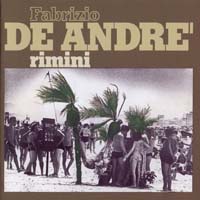 1978Rimini
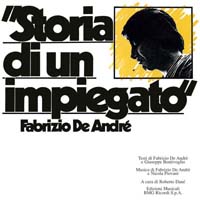 1973Storia di un impiegato
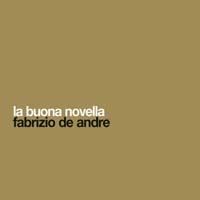 1970La buona novella
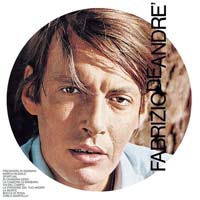 1967Vol. 1