ALBUM NOTESIs Non Al Denaro Non All'amore Né Al Cielo Fabrizio De Andre's best work yet?
Non Al Denaro Non All'amore Né Al Cielo- Album Overview
Fabrizio De André's "Non Al Denaro Non All'amore Né Al Cielo" was released in 1971 under the label RCA Italiana, marking a pivotal moment in Italian music history. This album, often hailed as one of his finest works, showcases De André's poetic lyricism and profound ability to weave narratives that resonate with the human experience. The recording sessions took place in a period of artistic exploration for De André, who collaborated with notable musicians including the guitarist and producer Nicola Piovani, contributing to the album's rich sound palette.
The album comprises ten tracks, each delving into themes of love, money, and spirituality, reflecting the socio-political climate of Italy during the 1970s. The standout tracks include "Il Pescatore," which tells the tale of a fisherman’s life, and "La Canzone di Marinella," a poignant ballad that encapsulates tragedy and beauty. The album's title translates to "Not for Money, Not for Love, Nor for Heaven," a phrase that encapsulates the existential struggle and moral dilemmas explored throughout the songs.
Culturally, this album is significant as it reflects De André's departure from traditional folk music to a more avant-garde approach, blending various genres such as folk, pop, and even elements of jazz. The singles released from the album helped solidify De André’s status as a leading figure in Italian music, influencing countless artists in the years to follow.
"Non Al Denaro Non All'amore Né Al Cielo" remains a testament to De André's enduring legacy, resonating with audiences for its lyrical depth and musical innovation.
Review
In "Non Al Denaro Non All'amore Né Al Cielo," De André crafts a soundscape that is as eclectic as it is cohesive. The album opens with "Il Pescatore," where the gentle strumming of guitars paired with De André’s haunting vocals draw listeners into a world rich with imagery and emotion. His lyrical prowess shines as he tackles complex themes with simplicity yet profound insight.
The arrangements are meticulously crafted, with instrumentation that enhances the storytelling, notably the use of strings and woodwinds, which add a lush texture to the overall sound. De André's voice, both tender and powerful, serves as the perfect vessel for his poignant lyrics, creating a deeply engaging listening experience.
This album not only showcases De André's artistic vision but also reflects the changing cultural landscape of Italy in the 1970s. It serves as a commentary on societal values, questioning the role of love and materialism in human lives. Each track is a narrative, inviting listeners to reflect on their own experiences in a world often dominated by superficial concerns.
Highlights
- Poignant and evocative lyrics that resonate with universal themes.
- Rich musical arrangements that blend various genres seamlessly.
- Strong narrative storytelling that engages listeners on a personal level.
Weak points
- Some tracks may feel slow-paced to listeners seeking immediate gratification.
- Occasional complexity in lyrics may alienate casual listeners.
- Limited commercial appeal compared to contemporary pop music of the era.
Overall evaluation
"Non Al Denaro Non All'amore Né Al Cielo" stands as a towering achievement in Fabrizio De André's discography, reflecting his mastery of songwriting and musical innovation. It invites listeners to ponder profound questions of existence while delivering an unforgettable auditory experience.
Personal rating: 9/10


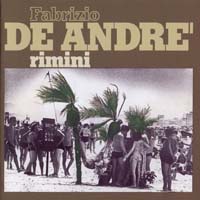 1978Rimini
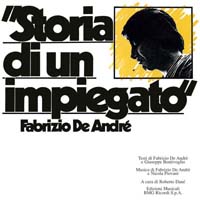 1973Storia di un impiegato
 1970La buona novella
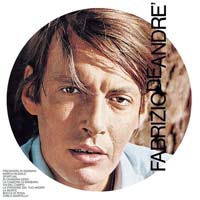 1967Vol. 1