

New Orleans Piano: exploring the world of Professor Longhair
New Orleans Piano- Album Overview
Released in 1972, "New Orleans Piano" stands as a testament to the vibrant musical landscape of New Orleans, encapsulating the rich traditions and innovative spirit that Professor Longhair, also known as Henry Roeland Byrd, embodied. This album was released under the label Alligator Records, marking a significant moment in Longhair's career, as it introduced a wider audience to his unique blend of rhythm and blues, jazz, and traditional New Orleans sounds. The album was recorded at the legendary Cosimo Matassa's studio, a hub for many iconic recordings in the Crescent City. Collaborating with Longhair on this project were talented musicians such as drummer Earl Palmer and bassist Walter "Wolfman" Washington, which helped to infuse the tracks with authentic New Orleans flavor.
The album features a collection of tracks that are both original compositions and reimagined classics, showcasing Longhair's innovative piano style. Notable tracks include "Mardi Gras in New Orleans," which captures the spirit of the famous festival, and "Tipitina," a song that has become synonymous with his legacy. While it wasn't released as a commercial single, "Tipitina" has since become an anthem of New Orleans music. The significance of "New Orleans Piano" extends beyond its musical content; it highlights the cultural essence of New Orleans and its historical struggles, including the impact of Hurricane Katrina on the city's musical heritage. This album is not just a collection of songs; it's a celebration of a cultural identity that resonates throughout the world.
Review
"New Orleans Piano" is a vibrant exploration of rhythm and melody, showcasing Professor Longhair's unparalleled ability to blend different musical styles. The album's sound is characterized by its infectious grooves and intricate piano arrangements that reflect the spontaneity of live performances. Longhair's distinct vocal style, often playful and rhythmic, complements his piano prowess, creating an engaging listening experience. The lyrical content often evokes imagery of New Orleans life, from joyous celebrations to the everyday hustle, adding depth to the musical arrangements. Each track is a journey through the streets of New Orleans, filled with rich storytelling and cultural references. The production quality captures the essence of the era while still feeling timeless, making it a cherished piece of musical history.
Highlights
- Exceptional piano work that showcases Longhair's unique style.
- Captivating rhythms that embody the spirit of New Orleans.
- A rich blend of cultural and musical influences, creating a timeless sound.
Weak points
- Some tracks may feel repetitive for listeners unfamiliar with the genre.
- The album's production, while authentic, may sound dated to contemporary ears.
- Lack of commercial singles could limit broader recognition outside niche audiences.
Overall evaluation
"New Orleans Piano" is a brilliant fusion of rhythm, culture, and artistry that captures the essence of Professor Longhair's contributions to music. It serves as a vital piece of the New Orleans musical tapestry and remains influential for both musicians and fans alike.
Personal rating: 9/10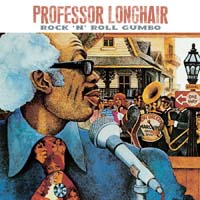 1985Rock 'n' Roll Gumbo