

Is Morricone: Cinema Suites For Violin And Orchestra Ennio Morricone's best work yet?
Morricone: Cinema Suites For Violin And Orchestra- Album Overview
Released in 2019, "Morricone: Cinema Suites For Violin And Orchestra" presents a remarkable collection of some of Ennio Morricone's most iconic film compositions, beautifully reimagined for the violin and orchestra. This album showcases the maestro's ability to blend classical music with cinematic storytelling, a hallmark of his illustrious career spanning over six decades. Produced by the renowned Deutsche Grammophon label, the album features the celebrated violinist Anna Tifu, who brings her exceptional talent to Morricone's timeless pieces. The recording was conducted by the Czech National Symphony Orchestra, adding a rich, orchestral depth to the arrangements. The album includes notable tracks such as "The Good, The Bad and The Ugly," "Cinema Paradiso," and "Once Upon a Time in America," each reinterpreted to highlight the emotional resonance of Morricone's compositions. The arrangements aim to capture the essence of Morricone's film scores while providing a fresh perspective through the intricate violin passages. This collaboration between Tifu and the orchestra not only pays homage to Morricone's legacy but also introduces his music to new audiences, reinforcing his status as one of the most influential composers in film history. The album has been praised for its lush orchestrations and the way it encapsulates the dramatic narratives that Morricone's music so often evokes.
Review
In "Morricone: Cinema Suites For Violin And Orchestra," the emotional weight of Morricone's compositions is palpable, enhanced by Tifu's virtuosic violin performance that commands attention. The arrangements are lush and expansive, yet retain the intimate quality that characterizes Morricone's work. The album does an excellent job of translating cinematic soundscapes into concert hall experiences, capturing the essence of scenes without the visual accompaniment. Each track flows seamlessly into the next, creating a cohesive listening experience that showcases Morricone's ability to evoke deep feelings through melody and harmony. Critically, while the album stands as a testament to Morricone's genius, some may argue that it lacks the raw, unfiltered emotion of the original scores, which were often tied to specific film narratives. Nonetheless, Tifu's interpretation and the orchestra's performance breathe new life into these familiar compositions, making them accessible to both long-time fans and newcomers alike. The artistic vision behind this project is not only to celebrate Morricone’s legacy but also to invite listeners to experience the emotional depth and storytelling power of his music in a new light.
Highlights
- Anna Tifu's exceptional violin performance adds a new dimension to Morricone's compositions.
- The lush orchestral arrangements beautifully capture the essence of the original scores.
- The album serves as a bridge between classical music and cinematic storytelling, appealing to a diverse audience.
Weak points
- Some purists may find the reinterpretations lacking the original film context.
- Certain arrangements may feel overly polished, losing some of the raw emotional impact of the originals.
- The album may not feature some of Morricone's lesser-known yet equally significant works.
Overall evaluation
"Morricone: Cinema Suites For Violin And Orchestra" is a captivating homage to one of cinema’s greatest composers, successfully merging classical performance with the rich tapestry of film music. It highlights the timelessness of Morricone’s work while providing a fresh interpretation that resonates with contemporary audiences.
Personal rating: 8.5/10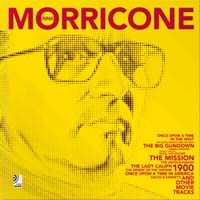 1970Ennio Morricone