

Inside the atmosphere of Souls Of Mischief's Montezuma's Revenge
Montezuma's Revenge- Album Overview
Released on January 21, 1994, "Montezuma's Revenge" is the second studio album by the influential Oakland hip-hop group Souls of Mischief. The album was released under the Hieroglyphics Imperium label, known for its commitment to underground hip-hop. "Montezuma's Revenge" followed their critically acclaimed debut, "93 'Til Infinity," and continued to showcase their unique blend of intricate lyricism, jazz-infused beats, and a distinct West Coast vibe.
The recording sessions for the album took place in the early 1990s, during a period of burgeoning creativity within the Hieroglyphics collective. The group consisted of members A-Plus, Opio, Phesto, and Tajai, who all contributed to the album's lyrical content and overall vision. The production, primarily handled by the group's member A-Plus, features samples drawn from various genres, including jazz and funk, which was a hallmark of the group's sound.
While "Montezuma's Revenge" did not achieve the commercial success of its predecessor, it is often praised for its artistic merit and the depth of its lyrical themes, which explore social issues, personal experiences, and a sense of community. The album includes standout tracks such as "After Dark," "A Name I Call Myself," and "The Last Unicorn," which highlight the group's inventive wordplay and storytelling abilities.
Though it was released in a competitive hip-hop landscape, "Montezuma's Revenge" remains a significant part of the Souls of Mischief's legacy and the evolution of West Coast hip-hop, influencing countless artists in the genre. Its enduring appeal lies in its authentic representation of the era and the group's commitment to pushing boundaries in hip-hop.
Review
The sound of "Montezuma's Revenge" is characterized by its eclectic production and rich instrumentation, which sets it apart from mainstream hip-hop of the time. The group’s use of live instruments and samples creates a lush auditory landscape, allowing their intricate lyrical flows to shine. Lyrically, the album showcases their profound ability to weave complex narratives, often blending humor and philosophical musings. The tracks are filled with vivid imagery and clever wordplay, capturing the unique voice of each member.
Artistically, the album reflects the group's vision of hip-hop as a platform for storytelling and cultural commentary. The seamless transitions between tracks and varied tempos keep the listener engaged throughout the album. However, unlike some of their more commercially successful peers, Souls of Mischief chose to embrace a more abstract and introspective approach, which may not resonate with all listeners. Nonetheless, "Montezuma's Revenge" stands as a testament to their creativity and commitment to authenticity.
Highlights
- Eclectic production blending jazz and funk elements.
- Intricate lyricism and vivid storytelling throughout the album.
- Strong sense of community and cultural commentary in the tracks.
Weak points
- Less commercial appeal compared to their debut album.
- Some tracks may feel disjointed to casual listeners.
- Limited promotion at the time of release may have hampered its reach.
Overall evaluation
"Montezuma's Revenge" is a compelling follow-up that further cements Souls of Mischief's place in hip-hop history. Its artistic integrity and rich soundscapes make it a worthwhile listen for fans of underground hip-hop.
Personal rating: 8/10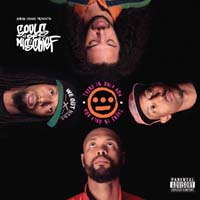 2014There Is Only Now