ALBUM NOTESWhy Souls Of Mischief's Montezuma’s Revenge matters
Montezuma’s Revenge- Album Overview
Montezuma’s Revenge, released in 1994, is the second studio album by the influential hip-hop group Souls of Mischief, part of the Hieroglyphics collective. The album was released through Jive Records, and showcases a blend of jazz, funk, and West Coast hip-hop that was emblematic of the early '90s underground scene. Produced primarily by the group members themselves, particularly A-Plus and Tajai, the album features intricate, abstract lyricism and a signature laid-back flow that set it apart from more commercially-driven hip-hop of the era.
The album includes standout tracks like “Batting Practice” and “A Name I Call Myself,” which highlight the group's lyrical prowess and their knack for storytelling. Montezuma’s Revenge was well received by critics and fans alike, but it did not achieve the same commercial success as their debut, 93 'Til Infinity. Nonetheless, it solidified Souls of Mischief's place in the pantheon of hip-hop, influencing a generation of artists with its innovative production and intricate wordplay.
Collaborators on the album included fellow Hieroglyphics members and various producers who contributed to the jazzy soundscapes. The album's title references the Aztec ruler Montezuma II, connecting themes of culture and identity that resonate throughout the lyrics. Montezuma’s Revenge has since become a cult classic, revered for its artistic integrity and contributions to the evolution of hip-hop.
Review
Montezuma’s Revenge stands as a testament to the artistic vision of Souls of Mischief, showcasing a style that is both cerebral and accessible. The production is rich and layered, with jazzy samples and laid-back beats that create a perfect backdrop for the group’s introspective lyrics. The lyrical content often explores themes of identity, heritage, and the complexities of urban life, delivered with a cleverness that invites listeners to engage deeply.
The album's sound is a departure from mainstream hip-hop of its time, offering a more experimental approach that would go on to influence numerous artists in the genre. The group’s chemistry is palpable, with each member contributing to a cohesive narrative that is both personal and universal. The seamless interplay between their flows and the varied production styles ensures that Montezuma’s Revenge remains a refreshing listen even decades after its release.
Overall, the album captures a unique moment in hip-hop history, representing the creative spirit of the early '90s while addressing timeless themes that continue to resonate today.
Highlights
- Intricate lyricism that balances personal and societal themes.
- Innovative production that blends jazz and funk with hip-hop beats.
- Strong group chemistry, allowing for dynamic verses and memorable hooks.
Weak points
- Some tracks may feel less impactful compared to the standout singles.
- A few production choices may come off as dated to modern listeners.
- Lack of mainstream recognition at the time of release could limit its initial audience.
Overall evaluation
Montezuma’s Revenge is a significant entry in the hip-hop genre and a vital part of the Souls of Mischief legacy. It encapsulates the essence of early '90s underground hip-hop while providing a platform for thought-provoking lyricism and innovative production.
Personal rating: 8/10


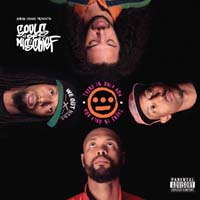 2014There Is Only Now