
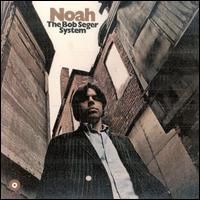
Inside Mongrel by The Bob Seger System
Mongrel- Album Overview
"Mongrel," released in 1970, is the third studio album by The Bob Seger System, showcasing a raw blend of rock, blues, and folk influences that would come to define Seger's sound. Recorded at the famed Capitol Studios in Hollywood, California, the album was produced by the legendary Bob Seger himself, alongside his band members and songwriting collaborators. Released under the Capitol Records label, "Mongrel" marked a significant point in Seger’s career as he was transitioning into the mainstream music scene.
The album features a mixture of original compositions and covers, including the standout track "Lonely Man," which became a minor hit. The song exemplifies Seger’s knack for storytelling, revealing his ability to weave personal narratives into his music. Other notable tracks include "Song of the South," which reflects on the social issues of the time, and "Heavy Music," a track that showcases Seger’s energetic style and rock prowess.
"Mongrel" is often recognized for its blend of musical styles and lyrical depth, capturing the essence of the early 1970s rock scene. Although it did not achieve the commercial success of Seger's later albums, it has gained a cult following over the years, appreciated for its authenticity and raw energy. The album features contributions from several of Seger's contemporaries, adding to its rich sound. "Mongrel" serves as a pivotal moment in Seger's career, representing both a departure from his earlier work and a stepping stone toward his later, more polished sound.
Review
The sound of "Mongrel" is characterized by its gritty rock vibe, combining electric guitar riffs with Seger’s raspy vocals. The album's production is straightforward yet effective, allowing the emotional weight of the lyrics to shine through. Seger’s songwriting reveals a keen sense of observation and nostalgia, effectively resonating with listeners. The lyrics often delve into themes of longing, alienation, and the pursuit of identity, making it relatable for a wide audience.
Artistically, "Mongrel" showcases Seger’s growth as a musician, as he experiments with various sounds while maintaining a core rock foundation. The inclusion of brass sections and backing vocals adds a layer of richness to the arrangements. While the album may not be as polished as his later works, its rawness is part of its charm, capturing the spirit of a time when rock music was evolving rapidly. Overall, "Mongrel" stands out for its authentic approach, showcasing Seger’s early exploration of the spectrum of rock music.
Highlights
- Authentic rock sound with a blend of blues and folk influences.
- Thoughtful and relatable lyrics that resonate with listeners.
- Strong musicianship and production that captures the energy of the era.
Weak points
- Some tracks may feel underdeveloped compared to later work.
- Limited commercial appeal at the time of release.
- Production quality varies throughout the album.
Overall evaluation
"Mongrel" is a significant entry in Bob Seger’s discography, embodying the raw energy and emotional depth of early 1970s rock. While it may not have achieved the same level of recognition as his subsequent albums, its authenticity and lyrical prowess make it a worthy listen for fans of classic rock.
Personal rating: 7/10