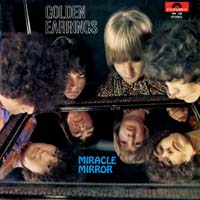
ALBUM NOTESReview of Golden Earring-Miracle Mirror – Miracle Mirror
Album overview
Golden Earring's album "Miracle Mirror" was released in 1970 and is a significant entry in the Dutch rock band's discography. The album was produced by the band itself and released under the Polydor label. "Miracle Mirror" embodies a blend of rock, psychedelic influences, and progressive elements, showcasing the band's evolving sound during the late 1960s and early 1970s. The recording took place in the Netherlands, where the band was honing their craft and expanding their musical horizons.
The album features a total of nine tracks, with standout songs like "The Truth About Arthur" and "Miracle Mirror," which reflect the band's lyrical depth and musical experimentation. The band members at the time included George Kooymans, Barry Hay, Rinus Gerritsen, and Cesar Zuiderwijk. The album is noted for its introspective lyrics and dynamic arrangements, capturing the zeitgeist of its era while paving the way for the band's future successes. Although it did not achieve massive commercial success, "Miracle Mirror" is regarded as an important work in Golden Earring's catalog and a testament to their artistic ambitions.
Review
"Miracle Mirror" reveals Golden Earring's knack for blending engaging melodies with thought-provoking lyrics. The album's sound is characterized by the intricate guitar work of George Kooymans and Barry Hay's distinctive vocals, which together create a rich sonic tapestry. Tracks like "The Truth About Arthur" showcase the band's ability to weave narratives into their music, while the title track "Miracle Mirror" encapsulates the reflective nature of the album.
Musically, the album is a mix of rock and psychedelic influences, with progressive elements that would later define the band's sound. The production is raw yet polished, capturing the essence of a band in transition. Lyrically, the album explores themes of self-reflection and existential questioning, resonating deeply with the cultural shifts of the time. While some tracks may feel dated by today's standards, the overall artistic vision remains compelling and relevant.
Highlights
- Intricate guitar work and engaging melodies.
- Thought-provoking lyrics that resonate with the listener.
- Significant exploration of rock and psychedelic influences.
Weak points
- Some tracks may feel dated compared to contemporary standards.
- Lacks the commercial appeal of later Golden Earring albums.
- Production may not be as polished as more recent works.
Overall evaluation
"Miracle Mirror" stands as a testament to Golden Earring's artistic evolution in the early 1970s. It may not be their most commercially successful album, but its exploration of sound and lyricism marks a significant chapter in their storied career.
Personal rating: 7/10
```

 2012Tits ’n Ass
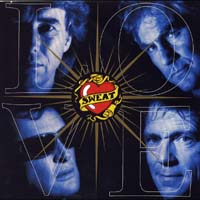 1995Love Sweat
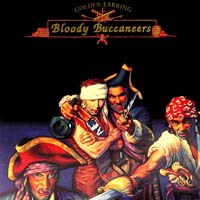 1991Bloody Buccaneers
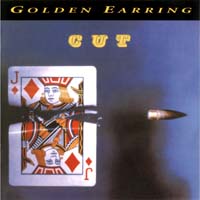 1982Cut
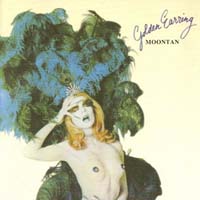 1973Moontan
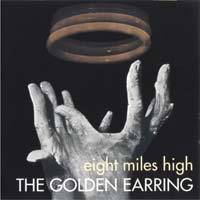 1969Eight Miles High