Album overview
Minnie Riperton's self-titled album, "Minnie," was released in 1979 under the Epic Records label. This album marks Riperton’s return to the music scene after her critically acclaimed 1974 release, "Perfect Angel." The production of "Minnie" showcases the talents of renowned producers including Riperton herself, along with the celebrated musician and songwriter, Dick Rudolph, who was also her husband. The album features a blend of soul, pop, and R&B, characterized by Riperton's extraordinary five-octave vocal range and her signature style that combined lush instrumentals with poignant lyrics.
The album includes standout tracks such as “Memory Lane,” “Love and Its Glory,” and “The Edge of a Dream,” which reflect Riperton's deep emotional connection to her music. The lead single, “Inside My Love,” became a significant hit, showcasing her vocal prowess and cementing her status as a soul icon. The album was well-received, praised for its sophisticated sound and Riperton's ability to convey vulnerability and strength through her voice.
Musically, "Minnie" is significant for its seamless fusion of genres, demonstrating the expansive musical landscape of the late 1970s. It also represents a pivotal moment in Riperton's career, as she faced personal challenges due to her battle with cancer during this period. This context adds an additional layer of emotional depth to the album, making it a poignant reflection of her artistry.
Review
Minnie Riperton's "Minnie" is a testament to her unique artistry and unparalleled vocal ability. The album's sound is rich, layered, and deeply emotive, with orchestral arrangements that complement her soaring vocals. The lyrics often explore themes of love, introspection, and the complexities of relationships, delivered with a sincerity that resonates with listeners.
Riperton's vocal performances are nothing short of breathtaking, particularly on tracks like “Inside My Love,” where she effortlessly transitions between soft, tender moments and powerful climaxes. The instrumentation, featuring lush strings and intricate harmonies, enhances the emotional weight of the songs. However, some critics argue that the production may feel overly polished at times, potentially detracting from the rawness of her emotional expression.
Overall, "Minnie" captures the essence of Riperton's artistic vision—an exploration of love and life through the lens of an extraordinary talent. Despite the album's commercial struggles compared to her previous works, it remains a soulful gem that showcases her profound impact on the music landscape.
Highlights
- Riperton's exceptional vocal range and emotive delivery.
- Rich, lush instrumentation that complements the lyrical themes.
- Strong songwriting and production collaboration with Dick Rudolph.
Weak points
- Occasional over-polished production that may dilute emotional rawness.
- Commercial performance did not match her earlier success.
- Limited mainstream recognition compared to her contemporaries.
Overall evaluation
Minnie Riperton's "Minnie" is a beautifully crafted album that showcases her incredible talent and emotional depth. While it may not have achieved the commercial success of her earlier works, it remains an important part of her legacy and a poignant reflection of her artistry.
Personal rating: 8/10
```

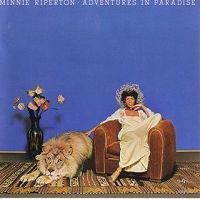
 1977Stay in Love
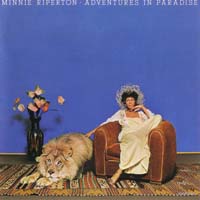 1975Adventures in Paradise