Album overview
The album "McGuinn, Clark" was released in 1979, marking a significant collaboration between two of the founding members of The Byrds, Roger McGuinn and Gene Clark. Released under the label Arista Records, this album is a blend of rock, country, and folk, showcasing the distinctive harmonies and lyrical sensibilities that characterized both artists' earlier works. The recording sessions took place primarily in Los Angeles, where the duo sought to recapture the magic of their Byrds days while also exploring new musical territories.
The album features a total of 10 tracks, including standout songs like "Don't You Write Her Off" and "The Lady Friend," which evoke a sense of nostalgia while pushing the boundaries of their sound. Collaborators on this project included seasoned musicians such as Chris Hillman, who also contributed his signature harmonies and instrumentation, enriching the overall texture of the record. The album's production was overseen by renowned producer Bob Ezrin, known for his work with various rock legends, which added a polished finish to the raw creativity of Clark and McGuinn.
Despite being overshadowed by the Byrds' immense popularity, "McGuinn, Clark" holds its own place in the folk-rock genre, reflecting the evolution of its creators' artistry. The themes explored in the lyrics touch on personal struggles and relationships, resonating with listeners who appreciate introspective songwriting. Although no significant singles charted from the album, it remains a beloved gem among fans of the genre and has gained a cult following over the years.
Review
"McGuinn, Clark" is a testament to the enduring chemistry between Gene Clark and Roger McGuinn. The album's sound is rich with interweaving guitar riffs and harmonized vocals that evoke a sense of both melancholy and hope. The lyrical content showcases Clark's introspective style, exploring themes of love, longing, and the passage of time. McGuinn's contributions, both in terms of guitar work and vocal harmonies, add depth and dimension, creating a sound that is both familiar yet refreshingly new.
While the production by Bob Ezrin is polished, some may argue that it occasionally detracts from the raw, organic quality that fans expect from these legendary artists. Nevertheless, the album delivers several poignant moments that showcase the lyrical prowess of Clark and the innovative musicianship of McGuinn. Tracks like "Don't You Write Her Off" stand out for their catchy hooks and emotional resonance, while other pieces, such as "The Lady Friend," demonstrate a more experimental approach, pushing the boundaries of their established sound.
Highlights
- Rich harmonies that evoke nostalgia and emotional depth.
- Strong lyrical content that resonates with personal experiences.
- Collaborative musicianship that enhances the overall sound.
Weak points
- Production may feel overly polished for some listeners.
- Limited commercial success, overshadowed by previous works.
- Some tracks lack the memorable hooks found in earlier Byrds' material.
Overall evaluation
"McGuinn, Clark" stands as a fascinating chapter in the careers of Gene Clark and Roger McGuinn, showcasing their ability to evolve while remaining true to their roots. Although it may not have achieved the mainstream success of their earlier projects, it remains a heartfelt exploration of personal themes and musical experimentation.
Personal rating: 7/10
```


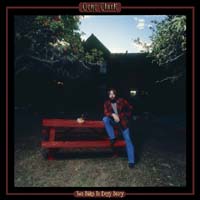 1977Two Sides to Every Story
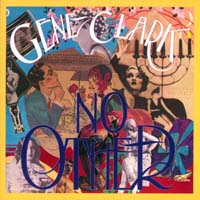 1974No Other
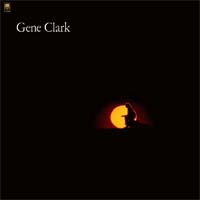 1900White Light