
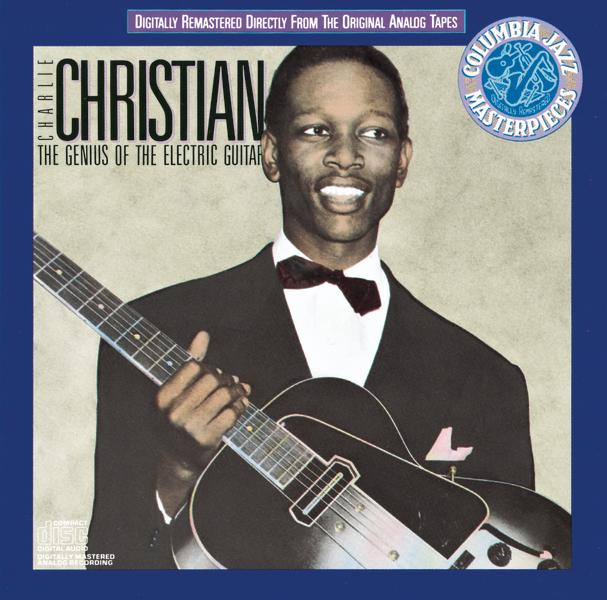
Review of Charlie Christian – Masters Of Jazz, Vol. 8, 1941
Masters Of Jazz, Vol. 8, 1941- Album Overview
Released in 1941, "Masters Of Jazz, Vol. 8" showcases the groundbreaking work of guitarist Charlie Christian, a pivotal figure in the development of jazz guitar. This compilation is part of a larger series that highlights the evolution of jazz music and its key contributors. Christian's innovative use of the electric guitar transformed the instrument's role in jazz, moving it from rhythm support to a prominent solo voice. The album was released under the Columbia label, capturing recordings made in 1941, a significant year in his career where he was actively performing with the Benny Goodman Sextet and playing a vital role in the bebop movement.
The collection features some of Christian's most celebrated tracks, including “Solo Flight” and “Stompin’ at the Savoy,” both of which exemplify his virtuosic style and improvisational prowess. Collaborators on these recordings include jazz luminaries like Benny Goodman, Lionel Hampton, and the great Count Basie, who contributed to the rich musical tapestry of the era. The album not only highlights Christian's technical skills but also his ability to convey emotion and storytelling through his guitar, paving the way for future generations of musicians. Its release contributed to a deeper understanding of jazz's cultural significance during a time of social change in America, as the genre began to gain broader recognition and respect.
Review
Listening to "Masters Of Jazz, Vol. 8, 1941" is akin to stepping into a vibrant jazz club during the early 1940s. The album encapsulates the exuberance and innovation of the era, with Christian's guitar work serving as a beacon of creativity. His unique sound—characterized by a blend of swing and improvisation—transports listeners to a time when jazz was at the forefront of musical evolution. The tracks are rich in complexity, showcasing not only Christian's technical dexterity but also his ability to weave intricate melodies that resonate emotionally. The interplay between Christian and his bandmates creates a dynamic atmosphere, where each solo feels like a conversation, punctuated by the rhythmic pulse of the ensemble.
While the album may lack the polished production seen in contemporary recordings, this rawness adds to its charm, allowing listeners to appreciate the authenticity of the live jazz experience. Christian's artistry shines through, making it evident why he is heralded as one of the greatest guitarists in jazz history.
Highlights
- Exceptional guitar improvisation that highlights Christian's virtuosity.
- Collaboration with renowned jazz musicians enhances the album's depth.
- A rich historical context that signifies the evolution of jazz music during the 1940s.
Weak points
- Limited production quality compared to modern recordings.
- Some tracks may feel repetitive for listeners unfamiliar with the genre.
- Shorter runtime compared to contemporary albums, leaving fans wanting more.
Overall evaluation
"Masters Of Jazz, Vol. 8, 1941" stands as a testament to Charlie Christian's legacy in the jazz world. It captures a transformative period in music history and showcases how one artist can influence an entire genre. While it may present some limitations in production and length, the album's historical significance and Christian's unparalleled talent make it a must-listen for any jazz enthusiast.
Personal rating: 8/10