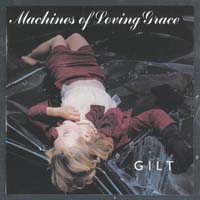
Album overview
Machines of Loving Grace, the self-titled debut album by the American band of the same name, was released in 1993. The album is notable for its eclectic mix of industrial rock and alternative music, showcasing a distinct sound that fuses heavy guitar riffs with electronic elements. The band, formed in 1990 in San Diego, California, consisted of members Scott Benzel, David McKean, and singer-songwriter and guitarist, and electronic musician, produced a body of work that reflects the cultural and technological anxieties of the era.
The album was released under the label, Reprise Records, and features tracks that delve into themes of love, technology, and existentialism. Notable singles from the album include "Goddess" and "Burn," which received considerable airplay. The production was characterized by its innovative use of sampling and synthesizers, a hallmark of the early '90s alternative scene. Collaborating with esteemed producers, the band sought to create a sound that was not only contemporarily relevant but also forward-looking.
Musically, the album incorporates elements of grunge, post-punk, and electronic music, making it a significant entry in the alternative rock landscape of the early 90s. The band's ability to blend these genres resonated with a generation grappling with the complexities of modern life, marking its cultural significance in a period defined by rapid technological change and artistic exploration.
Review
Machines of Loving Grace presents a compelling sonic experience that balances raw energy with introspective lyrics. The album opens with "Goddess," a track that sets the tone with its frenetic guitar work and haunting vocals, encapsulating the band's artistic vision. The lyrics explore the interplay between human emotions and the encroaching influence of technology, a theme that reverberates throughout the record. Tracks like "Burn" and "The Last Time" showcase the band's flair for melding heavy instrumentation with poignant lyrical content, illustrating a conflict between desire and detachment.
While the production is undeniably of its time, the band's willingness to experiment with sound creates an engaging listening experience. The integration of electronic elements adds a layer of depth, allowing the album to stand apart from its contemporaries. However, at times, the industrial influences may overwhelm the more melodic aspects, potentially alienating listeners who prefer a more straightforward rock sound.
Overall, Machines of Loving Grace successfully captures the spirit of the early '90s alternative scene, offering listeners a thoughtful reflection on the complexities of love and existence in a rapidly changing world.
Highlights
- Innovative blend of industrial rock and electronic music
- Thought-provoking lyrics that resonate with the era's anxieties
- Strong vocal performances and instrumental arrangements
Weak points
- Production choices may feel dated to some listeners
- Occasional lack of melodic focus in certain tracks
- Not all songs achieve the same emotional impact
Overall evaluation
Machines of Loving Grace is a noteworthy album that encapsulates the spirit of a transformative era in music, blending genres in a way that feels both fresh and reflective. While its production may show signs of age, the lyrical depth and innovative sound make it a significant listen for fans of alternative rock.
Personal rating: 7/10
```