

Breaking down the themes in Lux by Brian Eno
Lux- Album Overview
Lux is an ambient music album by British musician Brian Eno, released on November 4, 2012, under the Warp Records label. This album marks a significant return for Eno to the ambient genre for which he is widely recognized, after a hiatus focusing on other musical styles and production work. The album was inspired by the installation piece "Light" that Eno created for the Manchester International Festival in 2012, showcasing his ability to translate visual art into auditory experiences.
Eno's approach to Lux reflects his long-standing philosophy of creating music that serves as a backdrop for contemplation and relaxation. The album comprises four extended tracks—“The Ship,” “Lux 1,” “Lux 2,” and “Lux 3”—that seamlessly blend into one another, creating a continuous soundscape. The recording process involved Eno's signature techniques, including generative music principles that allow for variations in the sound depending on the listener's environment.
While no singles were officially released from the album, tracks like “Lux 1” have garnered attention for their ethereal quality. Collaborators on the album include Eno's longstanding associates, and the work represents his ongoing exploration of the intersection between technology and art. The cultural significance of Lux lies in its embodiment of ambient music's evolution and its capacity to evoke emotional responses without traditional song structures or lyrics.
Review
The sound of Lux is characterized by lush textures and a serene atmosphere, emphasizing Eno's mastery in creating immersive environments. Each track unfolds like a gentle wave, inviting listeners to drift in and out of awareness. The absence of lyrics allows for a personal interpretation of the music, where the listener can project their thoughts and emotions onto the soundscape. Eno's artistic vision shines through in the way he manipulates sounds, using sustained tones and subtle shifts to maintain listener engagement over extended periods.
Critically, Lux can be viewed as both a return to form and a forward-looking piece that challenges conventional music norms. The album’s focus on time and perception is particularly profound, making it a fitting soundtrack for introspection or quiet moments of reflection. Eno's ability to create a sonic environment that feels both familiar and alien is a testament to his innovative approach to music-making.
Highlights
- Immersive soundscapes that invite deep contemplation.
- Sophisticated use of texture and tone that evolves throughout the album.
- Seamless transitions between tracks create a cohesive listening experience.
Weak points
- Some listeners may find the lack of structure challenging or monotonous.
- Not as accessible to those unfamiliar with ambient music.
- Limited dynamic range might leave some wanting more variation in intensity.
Overall evaluation
Lux stands as a significant work in Brian Eno's discography, reaffirming his status as a pioneer of ambient music. Its ethereal qualities and meditative themes resonate well with fans of the genre, though it may not appeal to everyone. The album is a beautifully crafted exploration of sound that encourages listeners to engage with it on a personal level.
Personal rating: 8/10 1993Neroli
 1990Wrong Way Up
 1985Thursday Afternoon
 1981My Life in the Bush of Ghosts
 1978Music for Films
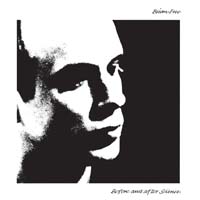 1977Before and After Science
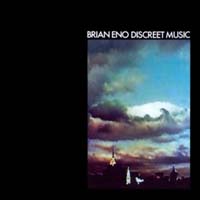 1975Discreet Music
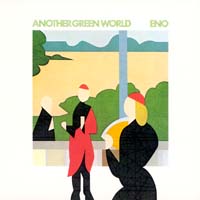 1975Another Green World
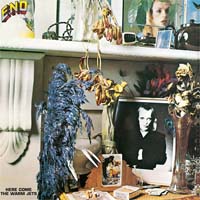 1973Here Come the Warm Jets