
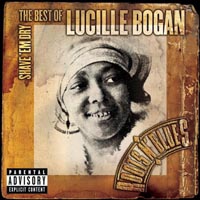
Breaking down the themes in Lucille Bogan & Walter Roland, 1927-1935 by Lucille Bogan
Lucille Bogan & Walter Roland, 1927-1935- Album Overview
Released in 2011, "Lucille Bogan & Walter Roland, 1927-1935" is a compilation album that showcases the remarkable works of pioneering blues singer Lucille Bogan and her collaborator, Walter Roland. The album is a testament to the rich musical landscape of the 1920s and 1930s, a time when African American artists were carving out their space in the music industry. This collection features recordings made under the Vocalion and Columbia labels, highlighting the raw and unfiltered sound characteristic of early blues.
Lucille Bogan, often hailed as one of the first female blues singers to achieve recognition, is known for her bold lyrics and emotive vocal style. Her partnership with pianist Walter Roland produced a series of songs that reflect the socio-economic struggles and cultural narratives of the African American experience during the Great Depression. The tracks on this album include a mix of Bogan's original compositions and traditional blues standards, showcasing themes of love, loss, and resilience.
The production of these tracks involved a combination of live sessions and studio recordings, capturing the authentic sound of the era. Notable songs such as "Shave 'Em Dry," known for its explicit lyrics, demonstrate Bogan's fearless approach to taboo subjects, while tracks like "Black Angel Blues" delve into more melancholic themes. The album is significant not only for its musical content but also for its representation of the cultural and historical context of the time, illustrating the evolution of blues music and its impact on future generations.
Review
The sound of "Lucille Bogan & Walter Roland, 1927-1935" reverberates with the authenticity of its time, offering listeners a window into the world of early 20th-century blues. Bogan's powerful vocals are complemented by Roland's deft piano work, creating a dynamic interplay that is both engaging and evocative. Lyrically, Bogan's songs are unapologetic and frank, often addressing themes that were considered taboo, such as sexuality and social injustice. This fearless approach not only highlights her strength as a performer but also positions her as a critical voice in the evolution of blues music.
Musically, the album encapsulates the raw energy of the blues genre, with each track showcasing Bogan's ability to convey deep emotion through her voice. The production quality, while reflective of its era, allows the grit and authenticity of the performances to shine through, making it a valuable listen for both blues aficionados and casual fans alike. Bogan's artistic vision is clear—she aims to tell stories that resonate with the struggles of her audience, and she does so with an unmatched intensity.
Highlights
- Lucille Bogan's powerful and emotive vocal performances.
- The fearless lyrical content that challenges societal norms.
- The authentic sound that captures the essence of early blues.
Weak points
- Limited production quality reflective of the era may deter some modern listeners.
- Some tracks may feel repetitive in theme and structure.
- Historical context may be overlooked by listeners unfamiliar with the genre.
Overall evaluation
"Lucille Bogan & Walter Roland, 1927-1935" serves as an essential compilation that not only preserves the legacy of its artists but also provides insight into the cultural and social narratives of its time. It stands as a powerful reminder of the blues' role in American music history.
Personal rating: 8/10