
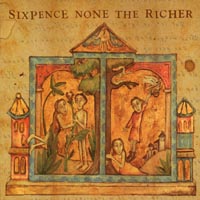
Lost in Transition by Sixpence None The Richer: expectations vs reality
Lost in Transition- Album Overview
Released in 2002, "Lost in Transition" is the fourth studio album by the American alternative rock band Sixpence None The Richer, known for their blend of pop, rock, and folk influences. The album was released under the label Squint Entertainment, following the band's notable success with their self-titled album in 1997, which featured hits like "Kiss Me." "Lost in Transition" marks a significant moment for the band, as it reflects both a shift in their sound and the challenges they faced during the production process.
The album was produced by the duo of Dan McCarroll and the band’s own guitarist, Matt Slocum, who worked to create a more polished and contemporary sound while still retaining the band's signature melodic sensibilities. The recording took place in a variety of studios, incorporating a diverse array of musical styles and elements. Collaborators on the album include renowned artists like Michael P. McCarthy, adding depth to the band's sound.
Singles from "Lost in Transition" include "Breathe," which received moderate radio play, and "Don't Dream It's Over," a cover of Crowded House's classic hit that showcases the band's ability to reinterpret well-known songs with their unique style. Musically, the album explores themes of introspection and personal growth, which resonate with listeners through its heartfelt lyrics and intricate arrangements.
Despite being released in the early 2000s, "Lost in Transition" holds cultural significance as it captures the essence of a time when alternative rock was gaining mainstream attention, while also reflecting the band's evolution as artists navigating the complexities of fame and creative expression.
Review
"Lost in Transition" presents a sonic tapestry that balances upbeat melodies with introspective lyrics. The opening track "Breathe" sets the tone with its airy instrumentation and soothing vocals from Leigh Nash. The album’s sound is polished yet authentic, showcasing the band's growth while remaining true to their roots. The lyrical themes often dwell on vulnerability and the passage of time, providing a stark contrast to the vibrant, catchy choruses.
However, while the album is ambitious and explores a variety of musical styles, it sometimes feels like it lacks the cohesion that characterized the band's earlier work. The production choices, while contemporary, can overshadow the raw emotion that previously defined their sound. Tracks such as "I Need Thee Every Hour" highlight this conflict, where an evocative lyrical depth struggles against overly glossy production.
Overall, Sixpence None The Richer’s artistic vision in "Lost in Transition" is commendable, but it also exemplifies the challenges of maintaining authenticity within a changing music landscape.
Highlights
- Strong vocal performances from Leigh Nash throughout the album.
- Intricate arrangements that showcase the band’s musical versatility.
- Thoughtful lyrics that resonate with personal reflection and growth.
Weak points
- Inconsistent production quality across different tracks.
- Lack of cohesive sound may disappoint long-time fans.
- Some songs feel overshadowed by their more polished counterparts.
Overall evaluation
"Lost in Transition" offers a glimpse into Sixpence None The Richer's evolution as a band, mixing catchy melodies with deeper lyrical themes. While it may not capture the same magic as their earlier works, it stands as an important entry in their discography.
Personal rating: 7/10 2001Divine Discontent