ALBUM NOTESThe evolution of Moby Grape-Live Grape in Live Grape
Album overview
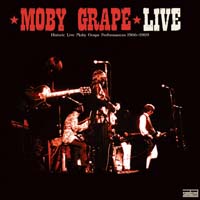
Moby Grape's "Live Grape," released in 1969, captures the band at a pivotal moment in their career. The album was recorded live at The Fillmore in San Francisco, a venue that was central to the counterculture movement of the 1960s. The band, known for their unique blend of rock, folk, and psychedelia, showcases their improvisational skills and energetic stage presence in this live set. "Live Grape" was released under the Columbia Records label, which had already established Moby Grape as a prominent act in the burgeoning San Francisco music scene.
The album features a mix of tracks from their earlier studio albums, including "Omaha" and "Sitting by the Window," allowing listeners to experience the raw power and spontaneity of their live performances. The collaborative nature of Moby Grape is evident, with multiple members contributing vocals and instrumentation, highlighting their versatility and chemistry as a group. At a time when many bands were heavily produced in the studio, "Live Grape" stands out for its authenticity and the immediacy of a live performance.
While it may not have produced hit singles like their debut album, "Live Grape" is significant as it encapsulates the spirit of a band that was both influential and emblematic of the era’s experimental ethos. Its release came during a time of great change in the music industry, as artists began to push boundaries in terms of sound and presentation, making it a notable entry in Moby Grape's discography as well as a reflection of the cultural landscape of the late 1960s.
Review
"Live Grape" is a compelling showcase of Moby Grape's eclectic sound and their ability to engage an audience. The album opens with a vibrant rendition of "Omaha," immediately setting the tone for a performance that is both tight and loose, a paradox that defines much of their music. The interplay between guitarists Peter Lewis and Jerry Miller, alongside the harmonies of Bob Mosley and Don Stevenson, creates a rich tapestry of sound that captures the essence of their studio recordings while adding the dynamism of a live show.
Lyrically, Moby Grape often explores themes of love, loss, and existential reflection, which resonate throughout the performances. The energy of the crowd is palpable, enhancing the listening experience and drawing the audience into the moment. The band's willingness to experiment with their arrangements allows for unexpected turns that keep the listener engaged. However, the spontaneous nature of live performance can lead to moments of inconsistency in pacing and energy, which may not appeal to all listeners.
Overall, "Live Grape" is a testament to Moby Grape's artistry and their role as pioneers within the rock genre. The album captures a band at the height of their powers, delivering a performance that is both nostalgic and timeless.
Highlights
- Energetic performances that showcase the band's chemistry.
- Raw and authentic sound that captures the essence of the live experience.
- Diverse musical styles that reflect the band's versatility and creativity.
Weak points
- Inconsistencies in pacing may detract from the overall experience for some listeners.
- Limited commercial appeal compared to their studio albums.
- Lack of standout singles that could attract new fans.
Overall evaluation
"Live Grape" is a captivating document of Moby Grape's live prowess and artistic spirit, embodying the essence of the 1960s music scene. While it may not have the polish of their studio work, its raw energy offers a unique perspective on the band’s talents.
Personal rating: 7/10
```

 0Grape Jam