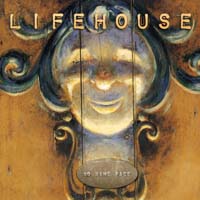
ALBUM NOTESListening to Lifehouse by Lifehouse-Lifehouse
Album overview
Lifehouse, the self-titled fifth studio album by the American rock band Lifehouse, was released on December 18, 2005, under the label Geffen Records. This album marked a significant return for the band after a three-year hiatus since their previous release, "Lifehouse" (2002). The recording was produced by the band's frontman Jason Wade, alongside industry veteran John Alagia, known for his work with artists like John Mayer and Dave Matthews Band. The album features a blend of alternative rock and post-grunge styles, showcasing the band's signature sound characterized by emotive lyrics and melodic hooks.
Lifehouse includes notable tracks such as "First Time," which became a hit single, reaching high positions on various charts and receiving significant radio play. The album also contains songs like "You and Me" and "Broken," both of which highlight Wade's introspective songwriting ability. The band collaborated with various musicians during the recording process, enhancing the album's layered sound with rich instrumentation. The cultural significance of this album lies in its exploration of themes such as love, loss, and personal struggle, resonating with listeners on a deep emotional level.
Overall, "Lifehouse" reflects the band's growth and maturity, solidifying their place in the early 2000s rock scene and reaffirming their ability to craft relatable and heartfelt music.
Review
Lifehouse's self-titled album is a testament to the band's knack for melding heartfelt lyrics with melodious rock instrumentation. The sound is polished and radio-friendly, making it accessible to a wide audience while retaining an emotional depth that speaks to personal experiences. Jason Wade's vocals are earnest and compelling, effectively conveying the weight of the themes explored throughout the album.
Lyrically, the album dives into intricate relationships and the complexities of personal growth. Tracks like "You and Me" stand out for their romantic vulnerability, while "Broken" addresses themes of despair and hope, showcasing the band's ability to touch on various emotional spectrums.
The production quality is high, with a clean mix that allows each instrument to shine, yet some critics may argue that it leans too heavily into mainstream territory, potentially alienating long-time fans of their indie roots. Nonetheless, Lifehouse has successfully created an album that resonates with both new listeners and loyal fans.
Highlights
- Strong lyrical themes that resonate emotionally.
- Catchy melodies and hooks that showcase the band's pop-rock appeal.
- Production quality that highlights the band's musical evolution.
Weak points
- Some tracks may feel formulaic or predictable.
- Potentially too polished for fans of their earlier, rawer sound.
- A few songs lack the lyrical depth found in their most acclaimed works.
Overall evaluation
Lifehouse's self-titled album is a polished collection of emotionally charged songs that reflect the band's growth while maintaining their core sound. It offers a balanced mix of catchy melodies and introspective lyrics.
Personal rating: 7/10
```