ALBUM NOTESExploring the sound of David Bowie-Let’s Dance: Let’s Dance
Album overview
David Bowie's "Let’s Dance" was released on April 14, 1983, as part of his 15th studio album of the same name. The album was produced by Nile Rodgers, the co-founder of Chic, under the EMI America label. The collaboration with Rodgers marked a significant shift in Bowie's sound, moving towards a more dance-oriented, mainstream pop style while still retaining elements of rock and new wave. The recording took place in Australia and featured notable musicians such as Stevie Ray Vaughan on guitar, who brought a bluesy edge to the album’s upbeat tracks.
The title track "Let’s Dance," along with singles "China Girl" and "Modern Love," became some of Bowie's most commercially successful songs, propelling the album to multi-platinum status. The album explores themes of love, social issues, and the joy of dance, reflecting the vibrant cultural landscape of the early '80s. "Let’s Dance" became a significant cultural artifact, showcasing Bowie's ability to adapt and evolve while influencing the music scene and the burgeoning MTV generation. The album's blend of genres and its catchy hooks helped it become a staple of 1980s music.
Review
"Let’s Dance" is a dazzling fusion of pop and rock, crafted with an infectious energy that encapsulates the spirit of its time. The production by Nile Rodgers brings a sophisticated yet accessible sound, combining slick guitar riffs, vibrant rhythms, and Bowie's distinctive vocal delivery. Lyrically, Bowie navigates through themes of love and liberation, inviting listeners to join in the celebration of life on the dance floor.
The title track, with its irresistible groove, showcases how Bowie can make profound statements while keeping the listener engaged on a purely visceral level. The collaboration with Stevie Ray Vaughan is particularly noteworthy, his guitar work adds a layer of depth that elevates the songs beyond typical pop fare. While some purists may argue that this album deviates from Bowie's avant-garde roots, it undeniably represents his adaptability and willingness to embrace new trends.
Overall, "Let’s Dance" stands as a testament to Bowie's artistic vision, merging commercial viability with artistic integrity in a way that few artists have managed.
Highlights
- Catchy and infectious title track that became a classic anthem.
- Outstanding guitar work from Stevie Ray Vaughan enhances the album's appeal.
- Successful fusion of genres that broadened Bowie’s audience.
Weak points
- Some critics argue that the album sacrifices depth for commercial appeal.
- The polished production may alienate fans of Bowie's earlier, more experimental work.
- Occasional lyrical simplicity compared to Bowie's more complex narratives in previous albums.
Overall evaluation
"Let’s Dance" is a pivotal album in David Bowie's discography, marking a successful transition into the mainstream while maintaining his unique artistry. It encapsulates the vibrant culture of the 1980s and showcases Bowie's versatility as an artist.
Personal rating: 8/10
```


 2013The Next Day
 2011Toy
 1997Earthling
 1993Black Tie White Noise
 1987Never Let Me Down
 1984Tonight
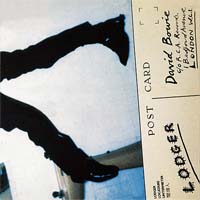 1979Lodger
 1977Low
 1976Station to Station
 1975Young Americans
 1974Diamond Dogs
 1973Pin Ups
 1973Aladdin Sane
 1971Hunky Dory
 1970The Man Who Sold the World
 1969Space Oddity
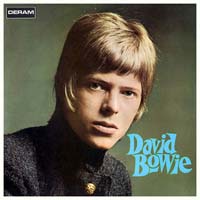 1967David Bowie