
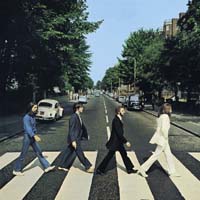
Inside the atmosphere of The Beatles's Let It Be / Rarities
Let It Be / Rarities- Album Overview
The Beatles' "Let It Be / Rarities" is a unique compilation that offers a glimpse into the band's final studio album and a selection of previously unreleased tracks. Originally released on May 8, 1970, "Let It Be" was the last Beatles album to be issued, although it was the first to be recorded. The album was produced by Phil Spector, who infused the tracks with his signature Wall of Sound style, which garnered mixed reactions from fans and critics alike. "Let It Be" was released under the Apple Records label and features iconic tracks such as "Across the Universe," "Get Back," and the titular "Let It Be." The album was conceived during a turbulent period for the band, marked by internal conflicts and the impending dissolution of the group. The recording sessions were tumultuous, with tensions high as each member grappled with their individual artistic directions. Collaborators such as Billy Preston, who played keyboards on several tracks, added a new dimension to the band's sound. "Let It Be / Rarities" includes versions of songs that showcase the creative process behind the band's music. The rarities feature alternate takes and demos that highlight the band's songwriting prowess and musical evolution. The cultural significance of "Let It Be" cannot be overstated, as it represents not only the culmination of The Beatles' work but also the end of an era in popular music. The album's themes of hope and redemption resonate deeply, making it a timeless piece in the fabric of rock history.
Review
The sound of "Let It Be / Rarities" is a fascinating juxtaposition of The Beatles' later experimentation and their enduring pop sensibilities. The album is characterized by rich instrumentation and emotive lyrics, often reflecting the band's introspection during a turbulent time. Tracks like "Let It Be" and "The Long and Winding Road" showcase a mature lyrical style that conveys vulnerability and resilience. Musically, the album traverses various genres, from rock to gospel influences, particularly evident in the soulful "Let It Be." The production choices made by Phil Spector, while controversial, add a layer of grandeur to the songs, with orchestral arrangements that elevate the emotional weight of the lyrics. However, this overproduction has been criticized for overshadowing the raw talent and simplicity that defined much of The Beatles' earlier work. Artistically, the album captures the essence of The Beatles as pioneers who were unafraid to explore new sounds while holding on to their roots. The rarities included in the compilation provide fans with an intimate look at the band's creative process, revealing the evolution of their music and the camaraderie that once flourished among them.
Highlights
- Emotive and introspective lyrics that resonate universally.
- Rich instrumentation that showcases The Beatles' musical evolution.
- Unique insights into the band's creative process through rare tracks.
Weak points
- Phil Spector's production choices may overshadow the band's raw sound.
- The album's tumultuous background can detract from its cohesiveness.
- Some rarities might appeal only to hardcore fans, limiting broader interest.
Overall evaluation
"Let It Be / Rarities" serves as a poignant reminder of The Beatles' legacy, encapsulating the beauty and turmoil of their final days as a group. It is an essential listen for fans and a foundational album for those exploring the evolution of rock music.
Personal rating: 8/10 1966Revolver
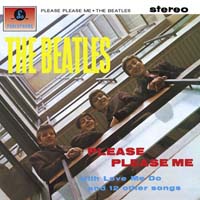 1963Please Please Me
 0The White Album